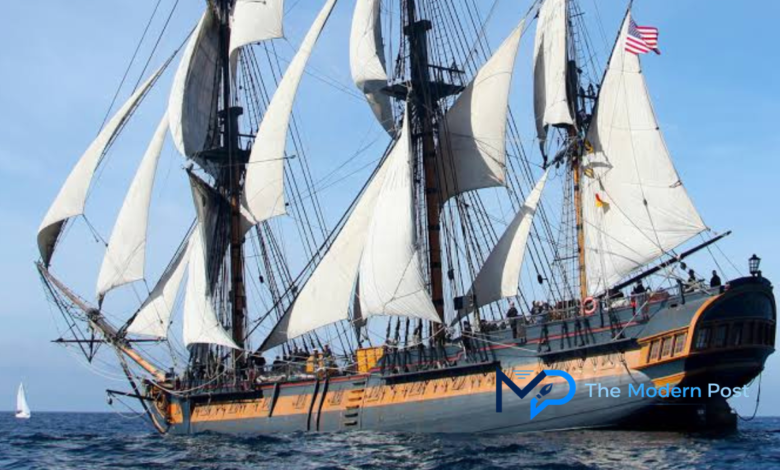
The man of war ship stands among the most iconic vessels ever to sail the world’s oceans. Built for battle rather than trade, these magnificent warships symbolised the naval strength of powerful kingdoms and empires. With towering masts, rows of heavy cannons, and highly trained crews, they dominated the seas from the sixteenth to the nineteenth century. Their remarkable design allowed nations to protect trade routes, defend territories, and project military power across vast distances.
Even centuries later, historians, model builders, and maritime enthusiasts remain fascinated by these legendary vessels. Museums, documentaries, and historical recreations continue to showcase their importance in naval history. This guide explores everything from the origins and construction of the man of war ship to its role in famous battles, giving readers a complete understanding of one of history’s greatest sailing warships.
What Is a Man of War Ship?
A man of war ship was a heavily armed sailing vessel built specifically for naval warfare. Unlike merchant ships that transported goods and passengers, these powerful warships carried multiple decks of cannons and were designed to withstand intense battles at sea. The term “man of war” became widely associated with the Royal Navy and other European fleets that relied on these vessels to maintain military superiority during the Age of Sail.
These ships served many important purposes beyond direct combat. They escorted valuable merchant convoys, defended coastal settlements, protected overseas colonies, and demonstrated national strength wherever they sailed. Their impressive firepower and durable construction made them feared by enemy fleets, while their elegant appearance reflected the advanced shipbuilding skills of the period.
History of the Man of War Ship
The history of the man of war ship began during an era when European nations competed fiercely for control of trade routes and overseas territories. As naval warfare became increasingly important, shipbuilders developed larger and stronger vessels capable of carrying heavier artillery without sacrificing sailing performance. These improvements transformed naval strategy and changed the balance of power across the world’s oceans.
Over time, these remarkable ships evolved into sophisticated floating fortresses. Advancements in navigation, hull construction, and weapon technology allowed fleets to travel farther and fight more effectively than ever before. By the nineteenth century, however, steam-powered ironclads gradually replaced traditional wooden sailing warships, marking the end of the classic man of war era while leaving behind an extraordinary naval legacy.
Design and Parts of a Man of War Ship
The design of a man of war ship combined strength, speed, and stability to create an effective fighting vessel. Strong oak timbers formed the hull, while multiple gun decks carried rows of powerful cannons capable of devastating enemy ships. Tall masts supported an impressive network of sails and rigging that enabled these enormous vessels to cross oceans using only wind power.
Every section of the ship served a vital purpose. The bow helped cut through waves, the stern housed officers’ cabins, and the quarterdeck provided commanders with an excellent view during battle. Beneath the decks, storage areas held food, fresh water, ammunition, and repair materials. Studying a man of war ship diagram helps modern readers appreciate the remarkable engineering that made these vessels so successful.
Man of War Ship Size and Specifications
The size of a man of war ship depended on its class and intended role within the fleet. Smaller vessels might carry around twenty guns, while the largest examples mounted more than one hundred cannons spread across several decks. Some measured over sixty metres in length and weighed thousands of tonnes, making them among the largest wooden ships ever constructed.
Crew numbers were equally impressive. A typical vessel required between three hundred and eight hundred sailors, marines, officers, surgeons, cooks, and carpenters to operate efficiently. Every individual had a specific responsibility, ensuring the ship could sail smoothly, maintain its equipment, and respond quickly during naval engagements. Their teamwork was essential to the success of every mission.
Portuguese, Spanish and English Man of War Ships
The Portuguese man of war ship played an essential role during the Age of Discovery, when Portugal established valuable trade routes across Africa, Asia, and South America. These warships were designed to protect merchant fleets from pirates and rival nations while supporting long-distance exploration. Their sturdy construction and reliable sailing performance helped Portugal become one of the world’s leading maritime powers.
The Spanish man of war ship became famous through the mighty fleets of the Spanish Empire, particularly during the sixteenth and seventeenth centuries. Meanwhile, the English man of war ship gained a reputation for exceptional naval strength and innovation. The Royal Navy continually improved ship design, firepower, and tactics, allowing Britain to dominate many of the world’s seas and establish one of history’s greatest naval empires.
Life Aboard a Man of War Ship
Life aboard a man of war ship was demanding and required constant discipline. Sailors worked long hours handling sails, maintaining the rigging, cleaning the decks, and preparing the cannons for battle. Every crew member had a specific role, and teamwork was vital because even a small mistake could endanger the entire vessel during storms or combat.
Living conditions were often basic and crowded. Crew members slept in hammocks suspended below deck, shared limited living space, and survived on preserved food such as salted meat, hard biscuits, and dried peas. Despite these hardships, sailors formed strong friendships and developed remarkable skills that allowed the ship to complete lengthy voyages across dangerous oceans.
Famous Real-Life Man of War Ships
Several famous examples demonstrate the importance of the man of war ship in naval history. HMS Victory remains one of the best-preserved warships and is celebrated as Admiral Lord Nelson’s flagship during the Battle of Trafalgar. Visitors can still explore this remarkable vessel today, gaining a unique insight into life aboard an eighteenth-century warship.
Another notable vessel was HMS Centurion, often remembered for its successful voyages and military achievements. The Centurion man of war ship became well known after its global expedition under Commodore George Anson. Other impressive vessels, including Spain’s Santísima Trinidad, showcased the enormous size and firepower that made these ships symbols of national strength.
Man of War Ships in Popular Culture
The legendary man of war ship continues to inspire filmmakers, writers, artists, and historians around the world. Historical novels frequently feature these magnificent sailing vessels, while documentaries explain their construction, famous battles, and influence on world history. Museums and maritime exhibitions also display detailed models, original artefacts, and restored ships that bring this fascinating period to life.
Modern video games have introduced these iconic warships to a new generation of enthusiasts. Many players search for the man of war ship Sea of Thieves because of its connection to classic pirate adventures and naval combat. Although games often take creative liberties, they encourage greater interest in the real history behind these extraordinary sailing vessels.
Man of War Ship Artwork, Pictures and Tattoos
The elegant appearance of a man of war ship has inspired countless paintings, sketches, and maritime illustrations. Museums and historical archives preserve authentic artwork that captures these ships sailing proudly across the oceans or engaging in dramatic naval battles. Collectors also enjoy viewing detailed man of war ship pictures that highlight their impressive design and historical importance.
Many people choose a man of war ship tattoo because it represents courage, resilience, freedom, and adventure. Others decorate their computers and mobile devices with a man of war ship wallpaper featuring realistic paintings or digital artwork. These creative expressions help preserve appreciation for one of history’s most recognisable sailing warships.
Interesting Facts About Man of War Ships
One of the most fascinating facts is that the largest man of war ship could carry well over one hundred cannons arranged across multiple gun decks. These enormous vessels required years to build and consumed thousands of oak trees during construction. They represented an extraordinary investment of time, resources, and skilled craftsmanship by the nations that commissioned them.
Another remarkable feature was the level of organisation required to operate the ship effectively. Hundreds of sailors worked together with incredible precision, raising sails, steering the vessel, loading cannons, and carrying out repairs while at sea. Their discipline and teamwork allowed these floating fortresses to remain effective even during prolonged naval campaigns.
Conclusion
The man of war ship remains one of the greatest achievements in maritime history, combining exceptional engineering with impressive military capability. These powerful sailing vessels protected trade routes, defended nations, and played decisive roles in some of the world’s most significant naval conflicts. Their influence extended far beyond the battlefield, shaping exploration, commerce, and the expansion of global empires.
Today, the legacy of the man of war ship lives on through preserved museum ships, historical research, artwork, literature, and popular culture. Whether admired for their elegant design, remarkable firepower, or historical significance, these legendary vessels continue to captivate people around the world and remain enduring symbols of naval excellence.
Frequently Asked Questions
What is a man of war ship?
A man of war ship was a heavily armed sailing warship designed for naval combat. It carried multiple decks of cannons, a large crew, and strong wooden construction, making it one of the most powerful military vessels used between the sixteenth and nineteenth centuries.
How large was a typical man of war ship?
The size varied depending on the class of the vessel. Many measured between forty and sixty metres in length and carried anywhere from twenty to more than one hundred cannons. Larger ships also required hundreds of crew members to operate efficiently.
What was the crew size of a man of war ship?
A typical man of war ship crew size ranged from approximately three hundred to eight hundred people. The crew included sailors, officers, marines, surgeons, carpenters, cooks, and other specialists responsible for keeping the vessel operational during long voyages and naval battles.
Which countries used man of war ships?
Several European naval powers relied on these warships, including England, Spain, Portugal, France, and the Netherlands. Each nation developed its own variations to suit different military strategies, exploration missions, and overseas trade routes.
Which was the largest man of war ship?
One of the largest examples was the Spanish warship Santísima Trinidad, which carried more than one hundred cannons across multiple gun decks. It was regarded as one of the most formidable wooden warships ever built during the Age of Sail.
Are any real-life man of war ships still preserved?
Yes. HMS Victory is one of the most famous surviving examples and is preserved in Portsmouth, England. Visitors can tour the historic vessel and learn about its role in the Battle of Trafalgar and British naval history.
What weapons did a man of war ship carry?
These ships mainly carried rows of powerful cannons mounted along several gun decks. They also used smaller swivel guns, muskets, pistols, swords, and boarding equipment, allowing crews to defend the vessel during close combat and large naval engagements.
Is there a man of war ship in Sea of Thieves?
Although Sea of Thieves does not currently include a playable man of war ship, many players hope such a vessel will appear in future updates. The game draws inspiration from the history of large sailing warships and the golden age of piracy.
What do man of war ship tattoos symbolise?
A man of war ship tattoo often symbolises strength, courage, adventure, resilience, freedom, and a love of maritime history. Many people choose this design to reflect determination and the spirit of exploration associated with historic sailing vessels.
Where can I find authentic man of war ship pictures?
Authentic pictures and illustrations can be found in maritime museums, historical archives, naval history books, and online collections maintained by museums and educational organisations. These sources provide accurate representations of these remarkable historic warships.
Also Read: brynmenyn tip