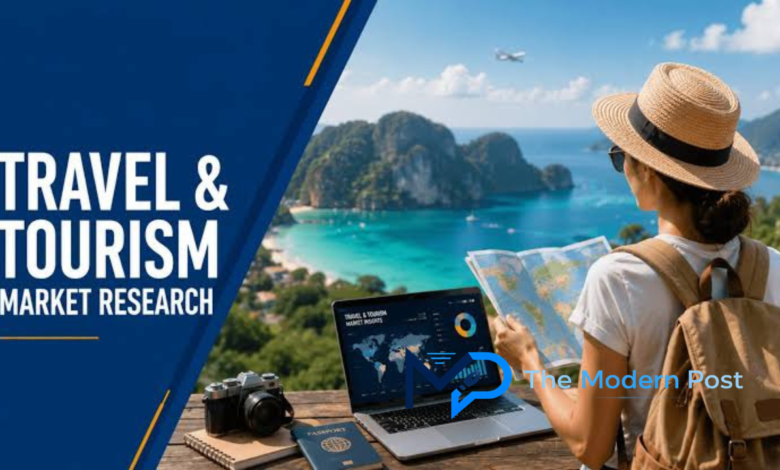
The travel and tourism industry is constantly changing as traveller expectations, technology, economic conditions and destination preferences evolve. Market research travel and tourism helps businesses understand these changes and make better-informed decisions. From travel agencies and hotels to airlines and destination management organisations, research provides useful insights into what customers want, where they travel, how they spend and what influences their choices.
In 2026, understanding travellers is more important than ever because customers have access to more information and choices than previous generations. Online reviews, social media, booking platforms and artificial intelligence can influence purchasing decisions within minutes. Effective research allows tourism businesses to identify opportunities, understand customer concerns and create experiences that are more relevant, competitive and appealing.
What Is Market Research in Travel and Tourism?
Market research in travel and tourism is the systematic process of collecting, analysing and interpreting information about travellers, destinations, competitors and wider industry conditions. It can examine customer preferences, booking habits, spending patterns, satisfaction levels, travel motivations and emerging trends. The objective is to transform information into practical knowledge that supports stronger business and marketing decisions.
Research can involve surveys, interviews, online reviews, customer feedback, booking information, industry reports and competitor analysis. Some businesses also study website behaviour and social media conversations to understand changing interests. By combining different sources, tourism organisations can develop a clearer picture of their target market and identify the products, services and destinations most likely to attract customers.
Why Is Market Research Important for Travel and Tourism?
Market research travel and tourism gives businesses a stronger understanding of customer demand. Instead of relying entirely on assumptions, tourism professionals can use evidence to determine which destinations are popular, what travellers expect from accommodation and which services influence purchasing decisions. This can help businesses reduce unnecessary spending while focusing resources on products and experiences with genuine customer potential.
Research is also valuable for managing competition. Tourism is a crowded marketplace where customers can compare prices, reviews, facilities and experiences before making a booking. By studying competitors and customer feedback, businesses can identify gaps in the market. These insights may reveal opportunities to improve service, introduce new packages, adjust pricing or develop a distinctive brand position.
Key Areas Covered by Travel and Tourism Market Research
Tourism research can cover many areas because the industry includes transportation, accommodation, attractions, restaurants, tour operators and destination services. Businesses may investigate traveller demographics, preferred destinations, booking periods, average spending, holiday duration and reasons for travelling. Understanding these factors helps organisations design products that match the needs of specific customer groups rather than attempting to appeal to everyone.
Customer satisfaction is another important research area. Businesses can analyse reviews and feedback to discover what travellers enjoy and where experiences could be improved. Research may also examine accessibility, sustainability, customer service, digital booking experiences and destination reputation. These insights can support practical improvements that strengthen customer satisfaction and encourage repeat visits and positive recommendations.
Latest Travel and Tourism Market Trends to Research in 2026
Travel trends can change quickly, making ongoing research essential for tourism businesses. In 2026, organisations may pay close attention to personalised travel, technology-assisted planning, flexible experiences, sustainable tourism and changing expectations around value. Travellers increasingly have access to digital tools that allow them to compare destinations, accommodation and activities before deciding where and how to travel.
Technology is also changing the way customers interact with tourism brands. Artificial intelligence, mobile applications, online booking platforms and digital customer service can influence the entire travel journey. Businesses therefore need to research not only where people want to travel but also how they discover destinations, compare options and make bookings. Understanding these behaviours can create opportunities for more effective digital experiences.
Understanding Traveller Behaviour Through Market Research
Traveller behaviour provides valuable information about why customers choose particular destinations, accommodation providers and activities. Research can explore motivations such as relaxation, adventure, culture, business, family time or wellness. It can also identify practical influences, including price, convenience, safety, transport connections, reviews and availability. Understanding these motivations enables businesses to develop more relevant offers and communicate their benefits more clearly.
Customer behaviour can also change throughout the travel journey. A person may discover a destination through social media, research it through search engines, compare hotels on booking platforms and finally make a purchase after reading reviews. Market research travel and tourism helps businesses understand these different touchpoints. Mapping the customer journey can reveal where potential customers lose interest and where better information could improve conversion.
Primary and Secondary Data Sources for Tourism Research
Primary research involves collecting new information directly from customers or other relevant audiences. Common methods include surveys, interviews, focus groups and questionnaires. Hotels might ask guests about their experience, while travel agencies could survey customers about preferred destinations and holiday budgets. This information can be highly valuable because it is collected for a specific business question or research objective.
Secondary research uses information that already exists. Useful sources can include government tourism statistics, industry publications, academic research, destination reports, booking data and competitor information. Online reviews and social media can also provide useful qualitative insights. Combining primary and secondary research can give businesses both detailed customer opinions and a broader understanding of market conditions.
How to Conduct Effective Tourism Market Research
The first step is to establish a clear research objective. A business should determine exactly what it wants to discover before collecting information. For example, a hotel may want to understand why bookings have declined, while a tour operator may want to identify demand for a new destination. A focused objective makes research more efficient and helps ensure that collected information can support a practical decision.
After establishing the objective, businesses can select suitable research methods and identify their target audience. Data should then be collected, organised and analysed carefully. Patterns can reveal important insights about customer behaviour, demand and competition. The final stage is turning those findings into action, such as changing a product, improving customer service, updating marketing campaigns or exploring a new tourism market.
Market Segmentation in Travel and Tourism Research
Market segmentation allows tourism businesses to divide a broad audience into smaller groups with similar characteristics or interests. Segments may be based on age, location, income, travel purpose, lifestyle, spending behaviour or booking preferences. For example, families may prioritise convenient facilities and value, while adventure travellers may focus more strongly on activities and unique experiences.
Effective segmentation helps businesses create more relevant products and marketing messages. Rather than promoting the same holiday package to every customer, an organisation can tailor its communication to specific audiences. Research can show which benefits matter most to each group and which channels they use when planning trips. This creates a more focused approach to marketing and can improve customer engagement.
How Tourism Businesses Use Market Research
Travel agencies can use research to identify popular destinations, preferred holiday lengths and changing customer expectations. Hotels can analyse guest feedback to improve facilities, service quality and booking processes. Tour operators may use research to design new itineraries, while attractions can study visitor behaviour to improve experiences. Across the industry, reliable information can help businesses make decisions with greater confidence.
Destination marketing organisations also rely on research when promoting locations to domestic and international audiences. Understanding visitor interests can help destinations choose suitable campaigns and identify the experiences most likely to attract particular travellers. Research can additionally support tourism planning by highlighting seasonal demand, visitor satisfaction and areas where infrastructure or services may need improvement.
The Role of Digital Marketing and Social Media Research

Digital platforms have become valuable sources of information about traveller interests and conversations. Tourism brands can monitor search behaviour, social media discussions, online reviews and website activity to understand what potential customers are discussing. These insights can reveal popular destinations, common questions, emerging interests and concerns that may not appear in traditional surveys.
Digital research can also improve marketing performance. Businesses can examine which content receives the strongest engagement and which campaigns generate enquiries or bookings. Search data may highlight topics travellers want to learn about before booking. By combining these insights with broader market research travel and tourism, businesses can create content that responds to genuine customer needs.
Challenges and Limitations of Tourism Market Research
Although tourism research offers significant benefits, it also has limitations. Customer preferences can change quickly, meaning research findings may become less relevant when market conditions shift. Surveys can also contain biased responses, while online reviews may represent particularly positive or negative experiences rather than the average customer. Businesses should therefore avoid making major decisions based on one source of information alone.
Another challenge is interpreting large amounts of data effectively. Collecting information is relatively easy, but identifying meaningful patterns requires careful analysis. Businesses need to distinguish between temporary trends and lasting changes in behaviour. Clear objectives, reliable sources and regular research can help organisations avoid misleading conclusions and ensure that research supports realistic commercial decisions.
The Future of Market Research in Travel and Tourism
The future of tourism research is likely to become increasingly digital, data-driven and personalised. Businesses can use customer insights to understand preferences at different stages of the travel journey and develop more targeted experiences. Technology may also make it easier to analyse large volumes of customer feedback, search behaviour and booking information, allowing businesses to respond more quickly to changes in demand.
However, technology will not replace the importance of understanding people. Travellers make decisions based on emotions, personal experiences, budgets, values and individual circumstances. The most successful research strategies will therefore combine data with genuine customer understanding. Businesses that listen carefully to travellers and adapt their services accordingly can build stronger relationships while remaining competitive in an evolving tourism market.
Conclusion: Turning Tourism Research Into Better Decisions
Market research travel and tourism provides a practical foundation for understanding customers, competitors and changing industry conditions. By examining traveller behaviour, market segments, digital trends, customer feedback and tourism statistics, businesses can identify opportunities and make more informed decisions. Research can support everything from product development and pricing to destination marketing and customer experience.
In 2026, tourism businesses have access to more information than ever before, but the real advantage comes from knowing how to use it. Reliable research should lead to clear action rather than simply producing reports and statistics. Organisations that continuously study their customers, monitor emerging trends and respond creatively to changing expectations can develop stronger offers and create more memorable travel experiences.
Frequently Asked Questions
What is market research travel and tourism?
Market research travel and tourism is the process of collecting and analysing information about travellers, destinations, competitors and industry trends to support better tourism business decisions.
Why is tourism market research important?
It helps businesses understand customer needs, identify market opportunities, monitor competitors, improve services and create products that better match traveller expectations.
What are common types of tourism market research?
Common methods include customer surveys, interviews, focus groups, online reviews, competitor analysis, industry reports, tourism statistics and digital behaviour research.
How does market research help understand travellers?
Research examines traveller motivations, preferences, spending habits, booking behaviour, satisfaction levels and decision-making factors to create a clearer picture of customer needs.
What tourism trends should businesses research in 2026?
Important areas include personalised travel, digital booking, artificial intelligence, sustainable tourism, flexible experiences, changing customer expectations and value-conscious travel.
Can small tourism businesses conduct market research?
Yes. Small businesses can use customer surveys, reviews, social media discussions, competitor research and website analytics to gather useful information without requiring a large research budget.
How can tourism businesses use research findings?
Businesses can use findings to improve products, develop marketing campaigns, adjust pricing, identify new audiences, enhance customer service and discover new market opportunities.
How often should tourism businesses conduct market research?
Research should be conducted regularly because traveller behaviour, technology, competition and market conditions can change quickly, making ongoing monitoring more useful than occasional research alone.
Also Read: cancer research travel insurance