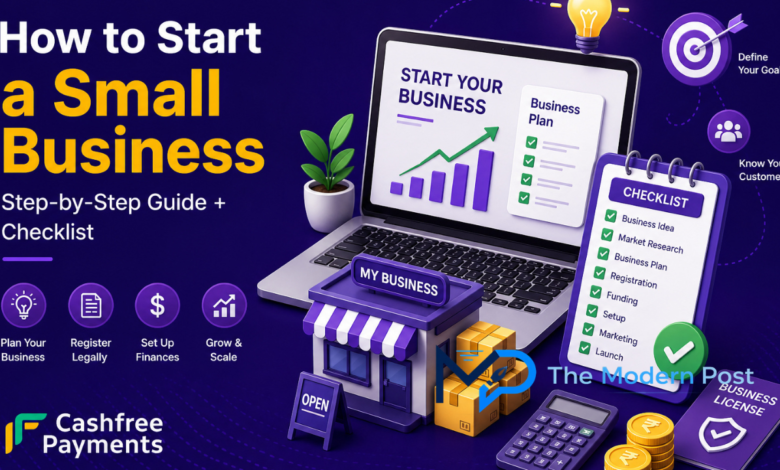
Starting a small business can be an exciting way to turn an idea, skill or passion into a source of income. However, enthusiasm alone is rarely enough to create a sustainable business. New owners need to understand their customers, costs, legal responsibilities and competitive environment before committing significant time or money. The right preparation can make the early stages clearer and help you make practical decisions with greater confidence.
For anyone looking for starting a small business advice, the UK offers a wide range of official and independent support. Government guidance covers areas such as business structures, finance and setting up, while organisations including the Federation of Small Businesses provide resources for entrepreneurs. The most useful approach is to combine reliable information with careful research into your particular market, customers and financial circumstances.
Start With a Business Idea You Can Test
A promising business idea should solve a genuine problem or satisfy a clear customer need. Before investing heavily in equipment, premises, stock or advertising, consider whether people are actually willing to pay for what you plan to offer. Speak to potential customers, examine competing businesses and look for gaps in existing products or services. Even informal conversations can reveal useful information about pricing, expectations and unmet demand.
One of the most valuable pieces of starting a small business advice is to test an idea before building the entire business around it. You could begin with a simple service, limited product range or small online launch. This gives you an opportunity to collect feedback while your costs remain manageable. If customers respond positively, you can gradually expand rather than committing substantial resources before the market has been tested.
Understand Your Customers and Competitors
Knowing exactly who you want to serve makes many later decisions easier. Consider your ideal customer’s needs, budget, location, buying habits and reasons for choosing one provider over another. A local service business may focus on convenience and reputation, while an online company could compete through specialist knowledge, product selection or customer experience. The clearer your audience, the easier it becomes to develop relevant products and marketing messages.
Competitor research is equally important because it shows what customers can already access. Look at competitors’ prices, websites, reviews, product ranges and customer service. You are not necessarily looking for a completely original concept; instead, identify opportunities to provide something more useful, convenient or specialised. Strong starting a small business advice should encourage you to study the market honestly, because understanding existing alternatives can prevent expensive assumptions.
Build a Realistic Business and Financial Plan
A business plan does not need to be a complicated document filled with technical language. At its simplest, it should explain what you sell, who you sell to, how customers will find you, what you expect to spend and how the business could generate revenue. Writing these details down forces you to consider practical issues that can be overlooked when an idea exists only in your head.
Your financial plan should include both one-off start-up expenses and regular operating costs. Depending on the business, these might include equipment, stock, insurance, software, transport, professional services, premises and marketing. Think carefully about how long it could take to reach consistent revenue. Keeping personal and business finances properly organised from the beginning can also make bookkeeping, budgeting and tax administration considerably easier.
Choose the Right Business Structure
In the UK, choosing a suitable legal structure is an important part of setting up a business. Common options include operating as a sole trader or establishing a limited company, with different responsibilities and implications attached to each. Your choice can affect administration, taxation, reporting requirements and personal financial exposure, so it should not be made simply because one structure sounds more professional than another.
Reliable starting a small business advice should always encourage entrepreneurs to check current official guidance before registering. GOV.UK provides information about business structures and the responsibilities associated with them. Depending on your circumstances, it may also be sensible to speak with an accountant or other qualified professional. Getting the structure right early can help you avoid unnecessary administrative complications as your business develops.
Manage Money and Cash Flow Carefully
Many new businesses concentrate on sales while paying less attention to cash flow. Revenue does not automatically mean that money is available when bills become due. You need to understand when customers are expected to pay, when suppliers and other expenses must be paid, and how much cash needs to remain available for unexpected costs. Regularly reviewing your figures can help you identify problems before they become serious.
It is also worth researching the funding options that may be appropriate for your circumstances. Depending on the business, these could include personal savings, loans, grants or other forms of finance. Do not borrow simply because funding is available. Consider the total cost, repayment obligations and likely return before making a commitment. A cautious approach to finance can give a young business more flexibility while it establishes reliable income.
Create a Marketing Strategy Around Customers
A new business does not necessarily need to appear on every social media platform or spend a large amount on advertising. Start by identifying where your potential customers actually look for products and services. Depending on your audience, that might include Google Search, local listings, social media, industry directories, recommendations or professional networks. Concentrating on relevant channels is generally more useful than spreading limited resources too widely.
Your website and other customer-facing channels should clearly communicate what you offer and why someone should choose you. Include useful information about products or services, pricing where appropriate, contact details and ways to take the next step. Collect genuine customer feedback as the business grows and use it to improve your offering. Consistent, helpful communication can gradually build the trust that small businesses need to compete.
Use Reliable Business Support and Advice

You do not have to solve every business question alone. The UK has several organisations offering information and support to people starting or developing businesses. Government-backed resources can help with setting up, finance and business responsibilities, while organisations such as the Federation of Small Businesses provide resources covering areas including business law, finance and marketing.
The best starting a small business advice is not always found in a single guide. Different questions may require different sources, particularly when dealing with taxation, employment, regulation or legal obligations. The King’s Trust, MoneyHelper and other established organisations also provide relevant guidance for entrepreneurs and self-employed people. When information could affect an important financial or legal decision, check the latest official guidance rather than relying on an old article or social media post.
Avoid Common Start-Up Mistakes
One common mistake is spending too much before proving that customers want the product or service. Expensive branding, unnecessary software subscriptions, large stock purchases or premature premises can quickly consume a limited start-up budget. Begin with the essentials and expand spending as the business demonstrates demand. A simple operation with healthy cash flow can be more useful than an impressive setup that creates unnecessary financial pressure.
Another mistake is trying to manage everything without a clear system. Keep accurate records, monitor income and expenses, organise customer information and set aside time for administration. It is also important to understand your responsibilities before hiring employees, collecting customer data or entering significant contracts. Taking small practical steps consistently can make the business easier to manage and leave you with more time to focus on customers.
Conclusion
Starting a small business requires more than having an appealing idea. You need to understand the market, identify your customers, estimate costs, choose an appropriate structure and create a realistic route towards revenue. Taking time to research these areas before launching can help you identify weaknesses while changes are still relatively easy and inexpensive to make.
Good preparation does not guarantee that a business will succeed, but it can improve the quality of the decisions you make along the way. Use reliable UK resources, keep your finances organised, listen to customers and review your plans as circumstances change. With a practical approach and a willingness to learn, you can give your new business a more informed foundation for its next stage.
Frequently Asked Questions
What is the best first step when starting a small business?
Start by testing your business idea and confirming that there is genuine customer demand before making major investments.
How much money do I need to start a small business in the UK?
The amount varies considerably by business type, so calculate your equipment, stock, marketing, professional and ongoing operating costs first.
Should I become a sole trader or form a limited company?
The right structure depends on your circumstances, so compare the responsibilities and implications of each option using current GOV.UK guidance.
Do I need a business plan to start a small business?
A formal plan may not always be required, but a practical plan can help you understand customers, costs, pricing and financial expectations.
Where can I get free business advice in the UK?
Useful support is available through GOV.UK and organisations such as the Federation of Small Businesses and other established business-support services.
How can I find customers for a new business?
Research where your target customers spend time and use relevant channels such as search, local listings, recommendations, social media or industry networks.
What financial mistakes should new business owners avoid?
Avoid uncontrolled spending, poor record-keeping and underestimating ongoing costs, while maintaining enough cash to cover regular and unexpected expenses.
Can I start a small business while working another job?
Depending on your employment terms and circumstances, you may be able to start part-time, but check relevant contractual, tax and business obligations first.
Also Read: low cost business ideas uk