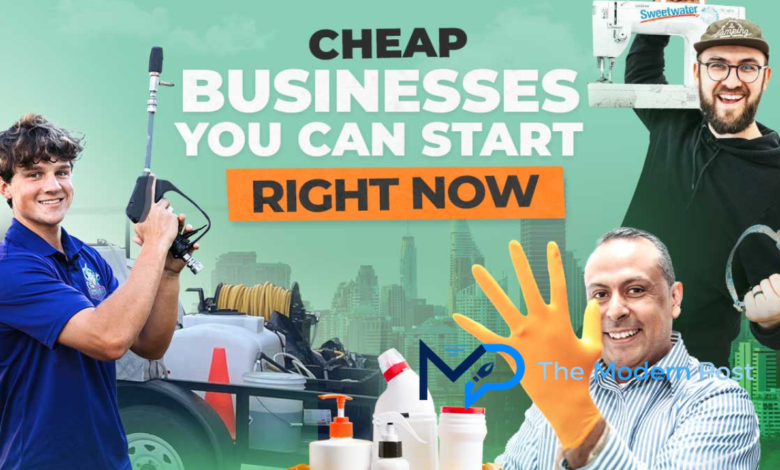
Starting a Cheap Businesses to Start does not always require a large premises, expensive equipment or significant savings. Many modern entrepreneurs begin with a skill, a laptop, basic tools or a simple service they can offer locally. The most affordable models often focus on solving a specific problem rather than building a complicated operation from day one. For UK beginners, this can make entrepreneurship more accessible while allowing the business to grow gradually as customers and revenue increase.
What Makes a Business Cheap to Start?
Cheap businesses to start usually have one important characteristic: they keep the initial investment relatively low. A service business can be particularly accessible because you may already own much of what you need, such as a computer, smartphone, vehicle or basic tools. Instead of purchasing large quantities of stock, you can focus your early spending on essentials such as insurance, registration, software, equipment and simple marketing.
However, low startup costs do not mean there are no costs at all. You should consider ongoing expenses such as transport, subscriptions, advertising, materials, professional services and tax obligations. A sensible approach is to calculate your expected first-month costs before launching and identify which expenses are essential. Keeping the first version of your business lean can give you more flexibility while you discover what customers actually want.
Explore Freelancing and Digital Services
Digital services are among the easiest models to explore if you already have a marketable skill. Virtual assistance, copywriting, CV writing, graphic design, social media management, SEO and basic website services can potentially be delivered remotely. A laptop and reliable internet connection may be enough to begin, although professional software, training and a polished portfolio can become useful as the business develops.
Online tutoring is another flexible option for people with knowledge in a particular subject. You could teach academic subjects, languages, music or practical skills depending on your experience and the relevant requirements. The key advantage is that you can begin by selling your time and expertise rather than purchasing inventory. Building testimonials and repeat customers can then help create a stronger foundation for future growth.
Consider Local Service Businesses
Local services can be practical cheap businesses to start because customers often pay for convenience as well as the service itself. Domestic cleaning, gardening, pet sitting, dog walking, errands and some forms of property maintenance can be started on a small scale. Depending on the service, you may be able to begin with equipment you already own before gradually purchasing professional supplies.
Cleaning is a particularly straightforward example because demand can come from households, landlords, offices and other local organisations. Mobile services can also reduce the need for commercial premises. Before offering any service, check the relevant UK rules, insurance requirements and health and safety considerations. Presenting yourself professionally through a simple website, local listings and clear pricing can help turn a basic service into a credible business.
Try a Creative Home-Based Business
Creative skills can provide another route into entrepreneurship without requiring a traditional shop. Handmade cards, crafts, personalised gifts, artwork and other small products can be produced from home and marketed through suitable online channels. The advantage of starting small is that you can experiment with designs and pricing without committing to a large amount of stock.
Digital products can reduce physical inventory even further. Templates, planners, guides, educational resources and other downloadable products can be created once and sold repeatedly, although they still require research, quality content and effective promotion. If you choose a food-based or home-production business, make sure you understand the relevant UK regulations before accepting orders. A low-cost idea still needs to operate responsibly and professionally.
Look at Online Selling With Limited Stock
Online selling does not necessarily mean buying hundreds of products before finding customers. Reselling, marketplace selling, print-on-demand and carefully selected small-batch products can allow new entrepreneurs to test demand with less inventory risk. Print-on-demand, for example, allows a supplier to produce and dispatch certain customised products after an order is placed, reducing the need to hold physical stock yourself.
Reselling can also be approached cautiously by starting with a small number of products and learning which categories attract buyers. The important point is to understand your margins before purchasing anything. Product cost, platform fees, postage, packaging, returns and advertising can all affect profitability. A product that appears inexpensive to source may not be attractive financially once every expense has been included.
How to Choose the Right Business Idea
The best option for you will depend on your skills, available time, location and access to resources. Someone with strong writing skills may have a very different opportunity from someone who enjoys practical outdoor work. Instead of choosing an idea simply because it appears inexpensive, consider whether you can deliver it consistently and whether customers have a genuine reason to pay for it.
Demand should also influence your decision. Search local competitors, examine marketplace listings and speak with potential customers to understand existing needs. You can start with a simple version of the service and use early feedback to improve it. This approach reduces the risk of spending heavily on an idea before discovering whether people are actually interested in buying what you offer.
How to Start With Very Little Money
When your budget is extremely limited, focus on selling a service before investing heavily in branding, premises or equipment. Create a simple description of what you offer, identify the type of customer you want to serve and decide how customers can contact you. Free or inexpensive productivity, communication and design tools can help you handle basic business tasks during the early stage.
Your first objective should be learning rather than creating a perfect company immediately. Speak to potential customers, offer an appropriately priced service and record what people ask for. Once revenue begins arriving, you can reinvest selectively into better equipment, software, advertising or training. This gradual approach can help protect your cash flow and make it easier to distinguish useful spending from unnecessary expenses.
Avoid Common Low-Cost Business Mistakes
One of the biggest mistakes with cheap businesses to start is assuming that low setup costs automatically make an idea profitable. A business can cost very little to launch while still being difficult to sell. You therefore need to consider customer acquisition, pricing, competition and your realistic earning capacity. A £50 setup is not especially useful if reaching your target customers requires hundreds of pounds in advertising.
Another common problem is underpricing. New entrepreneurs sometimes reduce their prices excessively because they are worried about competing with established businesses. Instead, calculate your time, travel, materials, software and other expenses before setting a sustainable price. You should also keep accurate financial records from the beginning and understand your responsibilities around tax, insurance and business administration.
Grow the Business Gradually
Once customers begin arriving, growth does not necessarily mean immediately hiring employees or renting premises. You might first improve your processes, increase prices where appropriate, introduce related services or focus on customers who generate repeat business. For a freelancer, this could mean creating packages instead of selling individual hours. For a local service provider, it could involve developing recurring appointments.
Reinvesting carefully can create a stronger operation over time. For example, additional equipment might allow you to complete jobs more efficiently, while better software could reduce administrative work. The aim is to spend money where it improves customer experience, efficiency or revenue potential. A business that starts small can become considerably more sophisticated once its owner understands the market and has reliable demand.
Final Thoughts on Starting a Low-Cost Business
There are plenty of cheap businesses to start across digital services, local work, creative products and online selling. The most suitable choice depends less on finding a magical business idea and more on matching your skills with a genuine customer need. Starting with a manageable service can allow you to learn about pricing, marketing and customer expectations without committing a large amount of capital.
The strongest first step is often a simple one: choose an idea, research demand, calculate the real costs and test it on a small scale. Keep unnecessary spending under control and reinvest only when the business provides evidence that an investment is worthwhile. With careful planning and consistent delivery, a modest starting point can become the foundation for a sustainable small business.
Frequently Asked Questions
What is the cheapest business to start?
Freelancing, virtual assistance, tutoring and some local services can have relatively low startup costs because they can use existing skills and equipment.
What business can I start with very little money?
You could consider services such as writing, virtual assistance, tutoring, pet care, cleaning or social media management, depending on your skills and circumstances.
What are good businesses to start from home?
Home-based options include digital services, online tutoring, handmade products, digital downloads, consulting and selected forms of online selling.
Can I start a business with no money?
Some businesses can be tested with almost no upfront spending, although you may still need money later for insurance, equipment, software, marketing or other requirements.
What is a good low-cost business in the UK?
Local services and skill-based digital businesses can be practical choices because they may not require commercial premises or significant inventory.
Which service businesses are cheap to start?
Cleaning, dog walking, pet sitting, gardening, virtual assistance, tutoring and freelance services can have relatively modest initial requirements.
How can I test a business idea before investing?
Speak to potential customers, research competitors and try selling a simple version of your service before committing to significant equipment, stock or advertising costs.
What costs should I consider before starting?
Consider equipment, insurance, registration, software, transport, marketing, materials, professional fees and ongoing operating expenses before setting your budget.
Also Read: businesses to start from home uk