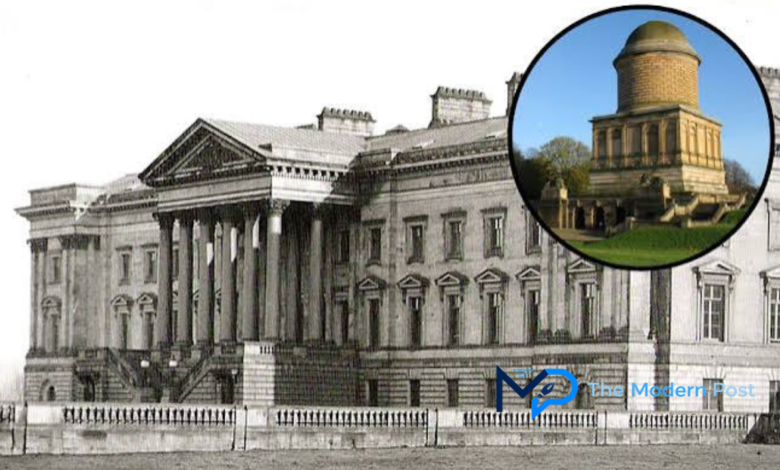
Hamilton Palace was once recognised as one of the most magnificent stately homes in Britain and the grandest private residence in Scotland. Built as the principal seat of the Dukes of Hamilton, the palace represented wealth, influence, and remarkable architectural achievement. Today, however, the building no longer exists, leaving many history enthusiasts wondering why such an extraordinary landmark disappeared. The story behind the demolition hamilton palace scotland remains one of the most fascinating chapters in Scottish heritage.
The demolition of Hamilton Palace was not caused by a single event but by a combination of economic hardship, structural instability, and changing social conditions. Understanding the reasons behind its destruction offers valuable insight into Scotland’s history and highlights the importance of preserving cultural landmarks. This guide explores the palace’s rise, decline, demolition, and lasting legacy for future generations.
Hamilton Palace: Scotland’s Grandest Stately Home
Hamilton Palace stood proudly in South Lanarkshire and served as the official residence of the powerful Dukes of Hamilton for centuries. Originally constructed during the seventeenth century and expanded over time, it became one of the finest examples of classical architecture in Britain. The palace featured grand reception rooms, elegant staircases, priceless artwork, and beautifully landscaped gardens that reflected the family’s immense wealth.
Visitors often described Hamilton Palace as more impressive than many royal residences because of its enormous size and luxurious interior design. The palace contained hundreds of valuable paintings, sculptures, antique furniture, and decorative features collected from across Europe. Its magnificent appearance made it a symbol of Scottish aristocracy and attracted admiration from travellers, historians, and architects alike.
Why Was Hamilton Palace Demolished?
The story behind the demolition hamilton palace scotland is closely linked to financial pressures that affected many aristocratic families during the early twentieth century. Following the First World War, maintaining enormous country houses became increasingly expensive. Heavy taxation, inheritance duties, and declining income from large estates placed the Dukes of Hamilton under significant financial strain, making it difficult to preserve such a vast property.
Another major factor was the extensive coal mining carried out beneath the estate. Mining operations removed underground support, causing serious land subsidence that gradually weakened the palace’s foundations. As structural damage became more severe, repair costs increased dramatically. Eventually, the combination of financial hardship and engineering concerns made demolition the only practical solution for the owners.
The Demolition of Hamilton Palace Scotland
The demolition hamilton palace scotland officially began in 1921 after the palace was sold to demolition contractors. Rather than being destroyed quickly, the process continued for several years because of the building’s enormous size and complex construction. During this period, different sections were dismantled carefully, while valuable architectural features and reusable building materials were removed for resale or preservation.
Many local residents watched with sadness as one of Scotland’s greatest country houses slowly disappeared. The demolition attracted widespread attention because Hamilton Palace had long been regarded as a national treasure. By the early 1930s, almost every part of the magnificent residence had vanished, leaving only memories, photographs, and historical records to remind future generations of its former glory.
What Happened to the Palace’s Contents?
Before demolition progressed too far, many of Hamilton Palace’s priceless possessions were sold through public auctions. Valuable paintings, antique furniture, rare books, sculptures, chandeliers, and decorative items found new homes in museums, galleries, and private collections across Britain and beyond. These auctions attracted collectors eager to own pieces from one of Scotland’s most celebrated stately homes.
Not everything disappeared forever, however. Some architectural elements, including fireplaces, carved stonework, doors, and ornamental features, were carefully removed and preserved. Several historical artefacts connected with Hamilton Palace can still be viewed in museums and heritage collections today, allowing visitors to appreciate the craftsmanship and artistic quality that once filled this remarkable residence.
What Remains of Hamilton Palace Today?
Although the palace itself has completely disappeared, several important landmarks connected to the estate still survive. The most famous is the Hamilton Mausoleum, an impressive monument that remains one of Scotland’s finest architectural achievements. It serves as the resting place of members of the Hamilton family and continues to attract visitors interested in Scottish history, architecture, and heritage.
The site where the palace once stood has changed significantly over the past century. Modern sports facilities, open spaces, and surrounding developments now occupy much of the former estate. Despite these changes, local museums, historical societies, and interpretation boards help visitors understand the significance of the location and preserve the memory of the demolition hamilton palace scotland for future generations.
Historical Legacy of Hamilton Palace
The loss of Hamilton Palace is widely regarded as one of the greatest architectural tragedies in Scottish history. Historians often point to its demolition as an example of how economic hardship and industrial development transformed Britain’s historic landscape during the twentieth century. If the palace had survived, it would almost certainly be recognised today as one of Scotland’s most treasured heritage attractions.
The story of the demolition hamilton palace scotland also highlights the growing importance of heritage conservation. Lessons learned from the destruction of such an iconic building have encouraged stronger efforts to protect historic properties across the United Kingdom. Today, many organisations work tirelessly to preserve castles, stately homes, and historic estates so future generations can continue to appreciate Scotland’s remarkable architectural legacy.
Visiting the Former Hamilton Palace Site
Visitors interested in the history of Hamilton Palace can still explore the surrounding area and gain a sense of its former grandeur. The nearby Hamilton Mausoleum stands as a striking reminder of the family’s influence, while Chatelherault Country Park offers beautiful walking trails, woodland scenery, and historic buildings connected with the Hamilton estate. Together, these attractions provide valuable insight into the region’s rich past.
A visit to local museums can further enhance the experience by displaying surviving artefacts, historical photographs, maps, and documents related to the palace. These exhibitions help visitors imagine what the magnificent residence once looked like before the demolition hamilton palace scotland changed the landscape forever. Guided heritage trails also provide fascinating stories about the estate’s development, decline, and lasting significance.
Interesting Facts About Hamilton Palace
Hamilton Palace was once considered the largest private residence in Scotland and among the grandest stately homes in Britain. Its lavish interiors featured magnificent marble halls, richly decorated ceilings, priceless works of art, and luxurious reception rooms designed to impress distinguished guests. Many members of the royal family, politicians, and influential visitors admired the palace during its remarkable history.
One of the most fascinating aspects of the palace is that many original furnishings still exist, even though the building itself has disappeared. Antique furniture, paintings, decorative objects, and architectural features remain scattered among museums and private collections. These surviving treasures continue to tell the story of the palace and remind people why the demolition hamilton palace scotland remains one of the most discussed events in Scottish architectural history.
The Lasting Importance of Hamilton Palace’s Story
The story of Hamilton Palace continues to inspire historians, authors, photographers, and heritage enthusiasts around the world. Although the palace no longer stands, its remarkable history serves as a reminder of the wealth, culture, and craftsmanship that once defined Scotland’s great country houses. Every surviving photograph and historical record helps preserve the memory of a building that shaped the nation’s architectural heritage.
Interest in the demolition hamilton palace scotland has grown considerably in recent years as more people seek to understand the reasons behind its destruction. Online archives, museum collections, documentaries, and local history projects continue to reveal new details about the palace and its owners. This renewed attention ensures that the legacy of Hamilton Palace will remain an important part of Scotland’s cultural history for generations to come.
Conclusion
Hamilton Palace was once a symbol of wealth, power, and architectural brilliance in Scotland. Its grand halls, impressive collections, and beautiful surroundings made it one of the country’s most admired stately homes. However, financial difficulties, rising maintenance costs, and severe damage caused by coal mining beneath the estate eventually led to its downfall. These combined challenges made preserving the palace impossible despite its historical importance.
Today, the story of the demolition hamilton palace scotland continues to capture the interest of historians, visitors, and heritage enthusiasts. Although the palace has disappeared, its legacy lives on through the Hamilton Mausoleum, museum collections, historical records, and the memories preserved by local communities. Learning about its rise and fall reminds us why protecting historic buildings is essential for preserving Scotland’s rich cultural heritage.
Frequently Asked Questions
Why was Hamilton Palace demolished?
Hamilton Palace was demolished because of a combination of financial problems and serious structural damage. The estate faced high maintenance costs and heavy taxes, while coal mining beneath the palace caused the ground to sink. These issues made repairing and maintaining the building far too expensive, leading to its demolition.
When was Hamilton Palace demolished?
The demolition began in 1921 after the palace was sold to demolition contractors. Because the building was so large, the work took several years to complete. By the early 1930s, the once-grand palace had been completely removed.
Where was Hamilton Palace located?
Hamilton Palace was located in Hamilton, South Lanarkshire, Scotland. It stood near the River Clyde and served as the main residence of the Dukes of Hamilton for many generations. Today, the original palace site has been redeveloped for other uses.
What remains of Hamilton Palace today?
Although the palace itself no longer exists, several important landmarks remain. The Hamilton Mausoleum is the most famous surviving structure connected to the estate. Visitors can also explore Chatelherault Country Park and local museums that display artefacts and information about the palace.
What caused the structural damage to Hamilton Palace?
The main cause of the structural damage was coal mining beneath the estate. Mining removed underground support, leading to land subsidence that weakened the palace’s foundations. Over time, cracks and instability became so severe that saving the building was no longer practical.
What happened to the furniture and artworks?
Before demolition, many valuable paintings, furniture pieces, sculptures, books, and decorative items were sold at public auctions. Some of these treasures are now displayed in museums, while others remain in private collections around the world.
Was Hamilton Palace the largest house in Scotland?
Yes, Hamilton Palace was widely regarded as the largest private residence in Scotland. It featured magnificent reception rooms, luxurious interiors, extensive art collections, and beautifully designed gardens, making it one of Britain’s finest stately homes.
Can you visit the former Hamilton Palace site?
Yes, visitors can explore the area where the palace once stood. While the building has disappeared, the nearby Hamilton Mausoleum, Chatelherault Country Park, and local museums offer an excellent opportunity to learn about the history and legacy of this remarkable Scottish landmark.
Also Read: ibis prague wenceslas square