Starting an online retail venture can seem expensive when you think about stock, storage and fulfilment. Dropshipping offers a different approach because products can be supplied directly to customers by a third-party supplier after an order is placed. This can reduce the need for traditional inventory management, although it does not remove the need for careful planning, customer service, marketing and financial management.
For Dropshipping Business UK entrepreneurs, the model can be particularly appealing because it can be operated through an online shop or established marketplaces. However, setting up successfully involves more than uploading products and waiting for sales. Choosing the right niche, finding dependable suppliers, understanding tax responsibilities and creating a trustworthy customer experience are all important parts of building a sustainable online operation.
What Is Dropshipping and How Does It Work in the UK?
Dropshipping is an e-commerce fulfilment model where a retailer sells products without keeping those products in their own stock. A customer places an order through the retailer’s website or marketplace, after which the retailer purchases the item from a supplier. The supplier then prepares and sends the product directly to the customer. The retailer earns the difference between the selling price and the relevant product and operating costs.
The model can reduce the need for warehouses and large upfront stock purchases, but it does not make running an online shop completely hands-off. The retailer still needs to select products, create accurate listings, attract customers, process orders and deal with questions or complaints. Delivery problems, unsuitable products and returns can also affect the retailer’s reputation, even when fulfilment is handled by another company.
How to Choose a Profitable Dropshipping Niche
Choosing a focused niche is one of the most important decisions when starting a dropshipping business UK entrepreneurs should consider carefully. Instead of attempting to sell almost everything, a defined product category can make it easier to understand the target audience and create relevant marketing. Potential areas might include home accessories, pet products, specialist hobbies, personalised products or selected lifestyle goods.
Demand alone should not determine your decision. Consider the selling price, supplier cost, delivery arrangements, competition and likely return rate before committing to a product. Products that are fragile, difficult to ship or frequently returned may create additional complications. Ordering samples can also help you assess quality, packaging and delivery before presenting an item to paying customers.
How to Find Reliable UK Dropshipping Suppliers
A dependable supplier can make a significant difference to the day-to-day operation of an online store. UK-based suppliers may offer useful delivery advantages for domestic customers, while established dropshipping platforms can provide access to a wider range of products. Avasam, for example, positions itself as a UK dropshipping platform connecting retailers with verified suppliers, making it one option entrepreneurs can research when comparing sourcing solutions.
Before committing to a supplier, investigate product quality, stock availability, delivery times, pricing and communication. Ordering a sample is a practical way to see what the customer may actually receive. You should also understand how the supplier handles damaged goods, missing parcels and returns. A low wholesale price may appear attractive, but poor fulfilment can create customer complaints that cost more than the original saving.
How to Set Up a Dropshipping Business in the UK
Setting up a dropshipping business UK venture generally begins with deciding how you will operate the business. Many new entrepreneurs consider operating as a sole trader because the structure is relatively straightforward, while others choose a limited company. Your circumstances can affect which structure is appropriate, so professional financial advice may be useful before making a decision.
You will also need an appropriate selling platform and a clear process for managing orders and customers. An independent store can be created using e-commerce platforms such as Shopify or Wix, while marketplaces including eBay and Amazon UK provide alternative routes to customers. Your store should include accurate product descriptions, transparent delivery information, suitable policies and clear contact details so buyers understand what they are purchasing.
UK Tax, VAT and Consumer Responsibilities
Understanding UK tax requirements is essential before launching an online retail operation. Businesses need to keep appropriate financial records and understand their responsibilities to HM Revenue & Customs. VAT can also become relevant as the business grows. The current VAT registration threshold is £90,000 of taxable turnover in a rolling 12-month period, although individual circumstances and VAT rules should always be checked against current HMRC guidance.
Consumer responsibilities are equally important because the supplier does not become the retailer simply because it sends the parcel. Customers generally deal with the retailer when they have questions about purchases, returns or problems. Product information should therefore be accurate and misleading claims should be avoided. Sellers should also consider product safety, delivery obligations, refunds and appropriate customer service procedures before launching.
How Much Does It Cost to Start Dropshipping in the UK?
One attraction of dropshipping is that it can require less upfront capital than a traditional retail business that purchases large quantities of inventory. However, starting with limited stock requirements does not mean the business can operate without expenses. Website costs, domains, product samples, branding, payment processing, software and marketing can all contribute to the initial budget.
Some businesses may also spend money testing paid advertising or improving their product photography and website. Rather than assuming every product will generate sales immediately, beginners can set a controlled budget and measure the results of each expense. Keeping track of revenue, supplier costs, advertising expenditure, transaction fees and refunds provides a clearer picture of whether a product is commercially viable.
How to Market and Grow Your Online Store
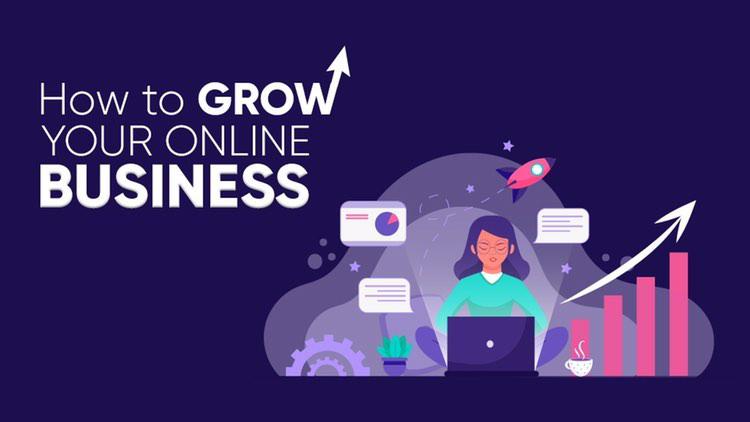
Marketing is central to attracting customers because simply adding products to an online store does not guarantee visibility. Search engine optimisation can help product and informational pages appear for Dropshipping Business UK relevant searches, while social media can provide another way to introduce products to potential buyers. Paid advertising can also generate traffic, although campaigns should be monitored carefully so that advertising costs do not consume potential margins.
Trust can be just as important as traffic. High-quality product descriptions, useful images, straightforward delivery information and accessible customer support can help visitors understand what they are buying. Entrepreneurs can test different products, messages and marketing channels before committing more money. Over time, analysing customer behaviour and sales data can help identify which products and marketing activities deserve greater attention.
Is Dropshipping Suitable for Beginners?
The dropshipping model can be accessible to people who are new to e-commerce because it can remove some of the traditional challenges associated with purchasing and storing large quantities of stock. A beginner can research a niche, compare suppliers and create an online shop without immediately investing heavily in physical inventory. This lower stock commitment can make experimentation more manageable.
However, accessibility should not be confused with guaranteed success. Competition can be significant, supplier problems can affect customer satisfaction and advertising can become expensive. Beginners therefore benefit from approaching the business as a genuine retail operation rather than a quick route to easy income. Research, careful budgeting, reliable fulfilment and strong customer service remain important from the first sale onwards.
Conclusion
Building a dropshipping business UK entrepreneurs can operate successfully requires more than finding a popular product. A strong foundation starts with choosing an appropriate niche, researching demand and comparing suppliers carefully. From there, entrepreneurs need to establish the right business structure, create a professional store and understand their tax and consumer responsibilities.
The model can provide a practical way to explore e-commerce without purchasing substantial quantities of stock upfront, but there are still genuine costs and responsibilities involved. By starting carefully, testing products, monitoring finances and prioritising customer experience, new sellers can create a more informed foundation for developing an online retail venture in the UK.
Frequently Asked Questions
Is dropshipping legal in the UK?
Yes, dropshipping is a legitimate retail model, but sellers must comply with applicable UK tax, consumer protection, product safety and business requirements.
Do I need to register a dropshipping business in the UK?
You may need to register with HMRC depending on how you operate and your income, while a limited company requires registration with Companies House.
How much money do I need to start dropshipping in the UK?
There is no single required start-up amount, as costs vary according to your platform, products, samples, software, branding and marketing strategy.
Is dropshipping profitable in the UK?
Profitability depends on factors such as product margins, supplier costs, advertising, competition, returns and operating expenses rather than the business model alone.
Do I need to register for VAT?
VAT registration is generally required when taxable turnover exceeds the applicable registration threshold, currently £90,000, subject to HMRC rules.
Can I start dropshipping in the UK for free?
You can minimise initial costs, but a completely free operation is difficult because domains, platforms, payment processing, samples or marketing may involve expenses.
Where can I find UK dropshipping suppliers?
You can research specialist supplier platforms and directories, including UK-focused services such as Avasam, while checking supplier quality and fulfilment carefully.
Am I responsible for refunds if my supplier ships the product?
The retailer generally remains responsible for dealing with the customer and meeting applicable consumer obligations, even when a third-party supplier fulfils the order.
Also Read: subscription business models