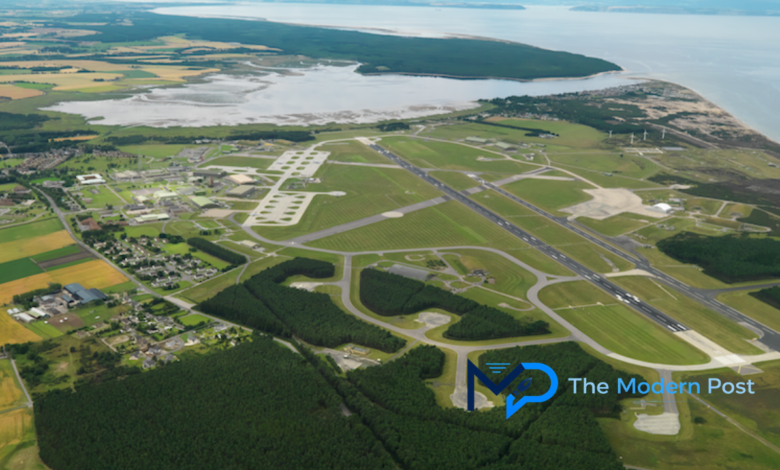
RAF Kinloss is one of Scotland’s most remarkable former Royal Air Force stations, celebrated for its rich aviation heritage and lasting contribution to Britain’s military history. Located near the village of Kinloss in Moray, the base served the Royal Air Force for more than seven decades before becoming Kinloss Barracks. Today, it remains a fascinating destination for aviation enthusiasts, historians and anyone interested in the story of British defence. Its impressive legacy continues to attract visitors from across the United Kingdom and beyond.
The history of RAF Kinloss reflects the changing priorities of military aviation, from wartime operations and Cold War patrols to its modern role supporting the British Army. Over the years, the station became closely associated with maritime reconnaissance aircraft, particularly the famous Nimrod fleet. Whether you are researching its history, looking for photographs or simply curious about its current status, RAF Kinloss offers an inspiring journey through Britain’s aviation past.
RAF Kinloss at a Glance
Situated on the beautiful Moray Firth coastline in north-east Scotland, RAF Kinloss occupied a strategic position that proved invaluable for military operations. The location allowed aircraft to patrol the North Sea and Atlantic Ocean with ease, making the station one of the most important maritime air bases in the country. Its long runways, modern facilities and highly trained personnel ensured that it remained operational throughout many significant periods of British military history.
Today, although the station no longer operates as an active Royal Air Force base, its infrastructure continues to support defence activities through Kinloss Barracks. Many people search online for the RAF Kinloss map to understand its location and layout, while aviation enthusiasts continue exploring historical images and archive records. The surrounding Moray countryside also provides stunning scenery, making the area attractive for visitors interested in both history and nature.
The History of RAF Kinloss
The story of RAF Kinloss began in 1939 as Europe moved towards the Second World War. The British Government recognised the need for additional military airfields capable of protecting the country’s coastline and shipping routes. Construction of the station quickly transformed the quiet rural landscape into a busy military installation, complete with runways, hangars and accommodation for hundreds of personnel preparing for wartime service.
During the war years, the station became an important centre for pilot training, bomber operations and coastal defence. Aircraft operating from Kinloss carried out reconnaissance missions and supported naval operations across northern waters. Following the war, the base continued expanding as military technology evolved, ensuring that RAF Kinloss remained one of Britain’s most valuable air stations throughout the Cold War and beyond.
RAF Kinloss During the Second World War
World War II marked one of the busiest periods in the history of RAF Kinloss. Aircrews based at the station flew regular patrols to monitor enemy activity, protect shipping convoys and support Allied operations. The strategic location near the Moray Firth allowed rapid deployment whenever threats emerged over the North Sea, making the station an essential part of Britain’s wartime defence network.
Life on the station involved far more than flying missions. Engineers, mechanics, communications specialists and ground crews worked tirelessly behind the scenes to keep aircraft operational in demanding conditions. Their dedication ensured that every mission could be completed safely, demonstrating the teamwork and professionalism that became synonymous with RAF Kinloss throughout the conflict.
RAF Kinloss After 1945
Following the end of World War II, RAF Kinloss entered a new chapter as Britain adapted to changing international security challenges. Rather than reducing its importance, the station became increasingly valuable during the Cold War, when maritime surveillance and anti-submarine operations were essential to national defence. Significant investment modernised the airfield, allowing it to accommodate larger and more advanced aircraft.
Throughout the 1950s and 1960s, the station welcomed new squadrons and expanded its facilities to meet evolving military requirements. Personnel stationed at Kinloss participated in numerous international exercises and operations, strengthening cooperation with NATO allies. This period established the base as one of the leading maritime patrol stations within the Royal Air Force and secured its reputation for operational excellence.
The Nimrod Era at RAF Kinloss
For many people, RAF Kinloss is best remembered as the home of the famous Nimrod maritime patrol aircraft. Introduced during the late twentieth century, the Nimrod became one of the most advanced aircraft of its type, capable of carrying out anti-submarine warfare, search and rescue coordination and long-range surveillance missions. The aircraft quickly became an iconic symbol of the station’s operational capability.
Crews based at Kinloss regularly deployed around the world, supporting international peacekeeping operations and protecting British interests at sea. The professionalism of pilots, navigators and engineers earned worldwide respect for their contribution to maritime security. Even after the Nimrod programme ended, its connection with RAF Kinloss remains one of the most celebrated chapters in the station’s remarkable history.
RAF Kinloss and Maritime Patrol Operations
Maritime patrol formed the heart of operations at RAF Kinloss for many decades. Aircraft flying from the station monitored vast stretches of ocean, searching for hostile submarines, assisting naval vessels and responding to emergencies. These missions often required crews to operate in difficult weather conditions while covering thousands of miles across the Atlantic and North Sea.
The station also contributed to humanitarian efforts through search and rescue support, helping locate ships and aircraft in distress. Although many of these operations attracted little public attention, they played a vital role in protecting lives and maintaining Britain’s maritime security. This dedication to service strengthened the reputation of RAF Kinloss as one of the nation’s most dependable military establishments.
RAF Kinloss Closure and Transformation
The announcement of the RAF Kinloss closure in 2012 marked the end of an important era in British aviation history. Defence reviews concluded that operational changes required the relocation of maritime patrol responsibilities elsewhere, bringing decades of Royal Air Force service at Kinloss to a close. The decision was met with sadness by former personnel and local residents who recognised the station’s historic importance.
Rather than becoming abandoned, the site quickly found a new purpose. It was transferred to the British Army and renamed Kinloss Barracks, providing accommodation and training facilities for military personnel. Much of the original infrastructure remains in use today, ensuring that the location continues serving Britain’s armed forces while preserving its rich military heritage.
Is RAF Kinloss Still Open?
Many people ask, “Is RAF Kinloss still open?” The answer depends on how the site is viewed today. While it no longer operates as an active Royal Air Force station, the location remains an important military establishment known as Kinloss Barracks. The British Army now manages the site, maintaining its facilities for training, engineering support and defence operations while preserving its historic military character.
Although regular RAF squadrons are no longer based there, the former airfield has continued to attract attention because of occasional military aircraft movements. Recent exercises have demonstrated that the runway still retains operational value for defence purposes. This ongoing activity keeps RAF Kinloss connected to Britain’s modern military network and ensures its aviation heritage remains relevant.
RAF Kinloss Crest and Badge
Every Royal Air Force station has a unique identity, and RAF Kinloss is remembered through its distinctive crest and badge. These symbols represent the station’s proud maritime heritage and reflect its long-standing commitment to protecting Britain’s coastline. The official design remains popular among former personnel, military historians and collectors who value the traditions associated with the station.
The RAF Kinloss badge is more than simply an emblem; it represents decades of service, teamwork and professionalism. Veterans who served at the station often speak with pride about the crest, which reminds them of the friendships, achievements and responsibilities they experienced during their military careers. Today, the badge continues to symbolise the station’s lasting contribution to Royal Air Force history.
RAF Kinloss Station Commanders
Throughout its operational life, RAF Kinloss benefited from strong leadership provided by experienced station commanders. These officers guided the station through periods of conflict, technological development and changing defence priorities. Their decisions influenced everything from operational readiness to personnel welfare, ensuring the station maintained its reputation for excellence.
Many station commanders oversaw important developments, including the arrival of new aircraft, runway improvements and international deployments. Their leadership helped RAF Kinloss become one of the UK’s leading maritime patrol stations. The dedication of these officers continues to be recognised by historians and former service personnel who appreciate their contribution to British military aviation.
RAF Kinloss Museum and Heritage
Although there is no dedicated RAF Kinloss museum located within the former station itself, the area’s aviation history is preserved through local museums and heritage organisations. These collections feature photographs, uniforms, equipment and historical displays that tell the story of the airfield and the people who served there. Visitors gain valuable insight into the station’s role during both wartime and peacetime.
Local exhibitions also celebrate the achievements of RAF personnel who contributed to Britain’s defence over many decades. Artefacts connected with maritime patrol aircraft, including the famous Nimrod, help visitors understand the technological advances that shaped military aviation. These heritage centres play an essential role in preserving the remarkable legacy of RAF Kinloss for future generations.
RAF Kinloss Photos and Historical Records
Historic photographs provide one of the best ways to explore the remarkable story of RAF Kinloss. Images from different decades reveal the station’s development, showing wartime aircraft, expanding runways and the impressive Nimrod fleet. These photographs capture everyday military life as well as significant events that shaped the station’s history.
Researchers and aviation enthusiasts can also access archive collections containing official documents, operational records and historical maps. These valuable resources help preserve the station’s heritage while providing accurate information about its development through the years. Comparing old and modern photographs highlights how the site has evolved while retaining many of its original features.
RAF Kinloss Mountain Rescue Reunion
One of the most meaningful traditions connected with the former station is the RAF Kinloss Mountain Rescue Reunion. These gatherings bring together former team members, veterans and families who shared experiences while serving in one of the RAF’s respected rescue units. The reunions celebrate teamwork, dedication and the courage shown during demanding rescue missions across Scotland’s challenging landscapes.
These events also provide an opportunity to preserve memories through photographs, personal stories and historical displays. Former colleagues reconnect after many years, while younger generations learn about the important role played by RAF Mountain Rescue teams. Such reunions help ensure that the remarkable achievements associated with RAF Kinloss are never forgotten.
RAF Kinloss News and Recent Developments
Interest in RAF Kinloss has increased in recent years because of reports highlighting renewed aviation activity at the former airfield. Military exercises involving RAF aircraft have demonstrated that the runway remains capable of supporting operational requirements when needed. These developments have generated considerable interest among aviation enthusiasts and local communities alike.
News surrounding the site also reflects ongoing investment in Kinloss Barracks and its role within the British Army. Improvements to infrastructure and continued defence use ensure that the location remains strategically valuable. Although its role has changed significantly since RAF operations ended, the station continues to contribute to Britain’s national security in meaningful ways.
Visiting RAF Kinloss Today
Visitors interested in military history often include the former RAF Kinloss site as part of a wider tour of Moray’s aviation attractions. While public access to the barracks is restricted because it remains an active military establishment, the surrounding area offers excellent opportunities to appreciate its historical importance. Nearby roads and viewpoints provide impressive views of the former airfield and surrounding landscape.
The region is also home to museums, memorials and visitor attractions celebrating Scotland’s aviation heritage. Combining a visit to the area with nearby RAF Lossiemouth and local heritage centres creates an enjoyable experience for aviation enthusiasts. Exploring Moray provides a deeper understanding of the important contribution RAF Kinloss made to Britain’s military history.
Conclusion
RAF Kinloss remains one of the most significant former Royal Air Force stations in Scotland, with a proud history that spans more than seventy years. From its establishment before the Second World War to its important role during the Cold War, the station consistently supported Britain’s national defence through training, maritime patrol and international operations. Its association with the famous Nimrod aircraft has ensured that its name continues to hold a special place in British aviation history.
Although the station officially closed as an RAF base in 2012, its story certainly did not end there. The site continues to serve the nation’s armed forces as Kinloss Barracks, demonstrating how historic military locations can successfully adapt to changing defence needs. Today, visitors, veterans and aviation enthusiasts continue to celebrate its remarkable achievements through museums, reunions, archive collections and historical research.
Whether you are searching for the history of RAF Kinloss, looking for historic photographs, learning about the Nimrod era or discovering whether the airfield is still operational, the station offers an inspiring story of dedication, innovation and service. Its enduring legacy continues to remind future generations of the important role it played in protecting the United Kingdom and supporting military operations around the world.
Frequently Asked Questions
What is RAF Kinloss?
RAF Kinloss is a former Royal Air Force station located near the village of Kinloss in Moray, north-east Scotland. Opened in 1939, it became one of the UK’s leading maritime patrol air bases and remained in RAF service until 2012. After its closure, the site was transferred to the British Army and renamed Kinloss Barracks, where it continues to support military activities.
Where is RAF Kinloss located?
RAF Kinloss is situated close to the Moray Firth near the town of Forres in Moray, Scotland. Its coastal location provided an ideal base for aircraft carrying out maritime reconnaissance, anti-submarine patrols and search operations across the North Sea and Atlantic Ocean. The surrounding area is also known for its beautiful scenery and strong aviation heritage.
Is RAF Kinloss still open?
Yes, the site remains open, but not as an active Royal Air Force station. Since 2012, it has operated as Kinloss Barracks under the control of the British Army. While RAF squadrons are no longer permanently based there, the airfield has occasionally been used for military aircraft during defence exercises and operational training.
Why did RAF Kinloss close?
RAF Kinloss closed as part of a major UK Strategic Defence and Security Review that reorganised Britain’s military resources. The retirement of the Nimrod fleet also reduced the need for the station’s maritime patrol role. Rather than leaving the site unused, it was transferred to the British Army to continue supporting national defence.
What aircraft were based at RAF Kinloss?
Several important aircraft served at RAF Kinloss throughout its history. The station is particularly famous for operating the Hawker Siddeley Nimrod maritime patrol aircraft. Earlier aircraft included the Avro Shackleton, Lockheed Neptune and various training aircraft, all of which played significant roles in protecting Britain’s coastline and maritime interests.
What was the role of the Nimrod at RAF Kinloss?
The Nimrod aircraft carried out maritime surveillance, anti-submarine warfare, intelligence gathering and search and rescue support. Crews based at RAF Kinloss regularly flew long-range patrols across the Atlantic and North Sea, helping to monitor naval activity and protect the United Kingdom’s maritime security during the Cold War and beyond.
Is there an RAF Kinloss museum?
There is no dedicated RAF Kinloss museum located on the former station itself. However, several museums and aviation heritage centres in the Moray region display artefacts, photographs and historical information relating to the station. These collections help preserve its remarkable history and educate visitors about its contribution to British military aviation.
Where can I find RAF Kinloss photos?
Historic RAF Kinloss photos can be found through local archives, aviation museums, military history websites and historical photograph collections. Many former personnel have also shared personal photographs that capture daily life, aircraft operations and important events from different periods in the station’s history.
What does the RAF Kinloss crest represent?
The RAF Kinloss crest symbolises the station’s maritime role and proud Royal Air Force heritage. Like many RAF station badges, it reflects the unit’s operational responsibilities and traditions. The crest remains a popular emblem among veterans, collectors and military historians interested in the station’s distinguished history.
Who were the RAF Kinloss station commanders?
RAF Kinloss was led by a number of experienced station commanders throughout its operational life. These senior officers managed flying operations, personnel, infrastructure and defence readiness while overseeing important developments such as the introduction of new aircraft and participation in international military exercises.
What happened at RAF Kinloss in 1945?
In 1945, RAF Kinloss was heavily involved in supporting the final stages of the Second World War and preparing for post-war operations. As the conflict ended, the station began adapting to new military requirements, eventually becoming a major centre for maritime patrol and reconnaissance during the Cold War.
What was RAF Kinloss like in 1962 and 1966?
During the 1960s, RAF Kinloss experienced significant development as Britain’s maritime defence strategy expanded. The station improved its facilities, welcomed advanced aircraft and strengthened its operational capabilities. These years marked an important period of growth that prepared the base for the arrival of the Nimrod fleet later in the decade.
What is the RAF Kinloss Mountain Rescue Reunion?
The RAF Kinloss Mountain Rescue Reunion is a gathering of former mountain rescue personnel, veterans and their families. These reunions celebrate the achievements of the rescue teams, preserve friendships formed during military service and honour those who dedicated themselves to challenging rescue operations across Scotland.
Has RAF Kinloss reopened for aircraft operations?
Although RAF Kinloss has not reopened as a full-time RAF station, the runway has occasionally supported military aircraft during defence exercises and operational activities. These events demonstrate that the airfield continues to retain strategic value and remains capable of supporting military aviation when required.
Can the public visit RAF Kinloss today?
Public access to Kinloss Barracks is restricted because it remains an active military establishment. However, visitors can enjoy nearby viewpoints, aviation museums and heritage attractions that provide insight into the station’s fascinating history. The surrounding Moray region also offers excellent opportunities to explore Scotland’s rich military and aviation heritage.
What is the difference between RAF Kinloss and Kinloss Barracks?
RAF Kinloss was the name of the Royal Air Force station that operated from 1939 until 2012. Following its closure, the site became Kinloss Barracks under British Army control. While the name and primary role changed, many of the original buildings, runways and military facilities remain in use, preserving the site’s historic importance for future generations.
Also Read: angel meadows