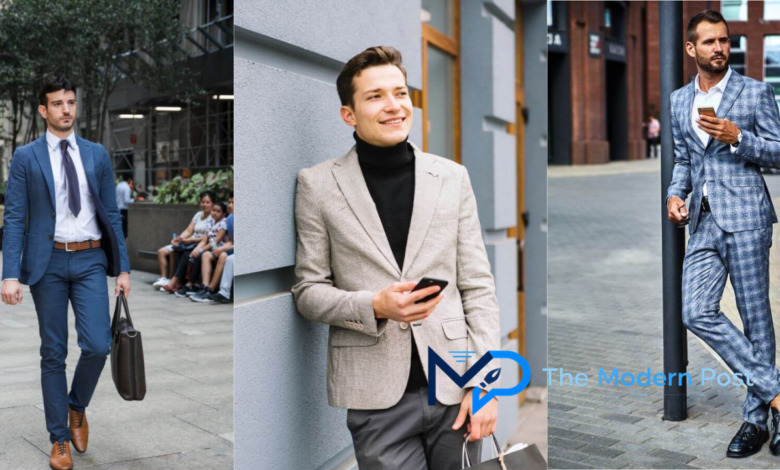
If you have ever been invited to a meeting or started a What Is Business Casual and wondered what to wear, the phrase business casual can feel surprisingly unclear. It sits between traditional formal office clothing and relaxed everyday wear, giving employees room to look professional without necessarily wearing a full suit. The exact interpretation can vary by workplace, industry and occasion, so understanding the basic principles makes choosing an outfit much easier.
What Is Business Casual?
Business casual is a workplace dress code that combines professional presentation with a more relaxed approach to clothing. It generally means you do not need the full formality of a matching suit and tie, while still choosing neat, well-fitting and work-appropriate pieces. The Google UK results describe it as a less formal approach to traditional business clothing, with contemporary styles replacing stricter, more conservative workwear.
Typical business casual clothing can include tailored trousers, chinos, collared shirts, smart blouses, knitwear, office-appropriate skirts and structured dresses. Footwear might include loafers, Oxfords, smart boots, flats or low heels, depending on the workplace. The key is the overall appearance rather than one compulsory item. Clothing should look clean, tidy and intentional while allowing more comfort and flexibility than formal business dress.
What Is Business Casual in the UK?
In the UK, business casual does not have one universal definition that applies to every employer. A professional office, creative agency, technology company and customer-facing organisation may each interpret the dress code differently. Indeed’s UK guidance describes it as workplace clothing that is more modern and casual than strict traditional office dress, which reflects the increasingly flexible nature of many workplaces.
The safest approach is to consider the environment before getting dressed. If you are starting a new role, attending an interview or visiting a client, check any dress policy or ask the organiser if you are unsure. When there is no clear guidance, neat tailored pieces are a useful starting point. You can then make the outfit more relaxed or formal depending on the setting.
What Is Business Casual for Men?
For men, business casual commonly centres on smart trousers or chinos paired with a collared shirt, button-down shirt or polished knitwear. A blazer or separate sports jacket can add structure when required, but a complete matching suit is often unnecessary. The Google UK results also identify chinos, khakis and tailored trousers as suitable options for the lower half of a business casual outfit.
Footwear should normally complement the professional nature of the outfit. Loafers, Oxford shoes, smart leather shoes and suitable boots can work well, depending on the office. A tie is often optional, although the occasion may call for something more formal. A useful rule is to look polished without appearing as though you have dressed for a black-tie event or a completely informal weekend.
What Is Business Casual for Women?
Women’s business casual clothing offers plenty of flexibility while maintaining a professional appearance. Suitable options can include smart blouses, collared shirts, neat sweaters, cardigans, tailored trousers, chinos and office-appropriate skirts. Structured shift dresses and tailored work dresses can also fit comfortably within this style, particularly when their cut and length are suitable for the workplace.
Footwear can include flats, loafers, mules, low heels and smart ankle boots. The aim is not to follow one rigid formula but to create an outfit that looks considered and appropriate. Colour, pattern and accessories can add personality, but keeping the overall appearance polished is useful when the workplace has a more traditional professional culture.
Business Casual Dress Code: What to Wear and What to Avoid
A good business casual outfit usually starts with clothing that fits well and looks well maintained. Tailored trousers, smart chinos, collared shirts, blouses, knitwear and appropriate dresses provide a strong foundation. A blazer can also be useful because it gives a relaxed outfit more structure when you need to move from an ordinary office day to a meeting.
The boundaries become less clear with items such as jeans, trainers and very casual tops. The supplied UK search results indicate that denim may be restricted unless an employer specifically permits clean, dark jeans without rips. This is why workplace guidance matters. If an item could reasonably be viewed as weekend clothing, check the company’s expectations before making it part of your regular office wardrobe.
Business Casual Attire for Different Work Situations
The right outfit can change depending on what you are doing during the working day. For an ordinary office day, chinos or tailored trousers with a smart shirt or blouse may be sufficient. For a presentation, interview or client meeting, adding a blazer or choosing a more structured outfit can create a more formal impression while still remaining within a business casual environment.
Seasonal conditions also matter in the UK. Lightweight shirts and tailored trousers can work during warmer months, while knitwear, cardigans and smart boots can provide useful layers in colder weather. The important point is to adapt the clothing without losing the professional foundation. Comfort is valuable, but it should work alongside neatness and appropriateness rather than replacing them.
Business Casual vs Smart Casual
Business casual and smart casual overlap, which is one reason the terminology can cause confusion. Business casual is generally focused on professional settings, while smart casual can allow a wider range of relaxed clothing. The supplied search results describe business casual as sitting between formal business wear and fully casual dressing, while one UK source describes smart casual as a less formal extension of business casual.
There is no universal boundary that every employer follows. One workplace may allow dark jeans and smart trainers, while another may expect tailored trousers and traditional shoes. Rather than relying entirely on the label, consider the organisation, your role and the occasion. If the dress code is unclear, asking for clarification is usually more reliable than guessing from the terminology alone.
How to Build a Business Casual Wardrobe

A practical wardrobe does not need dozens of individual pieces. Start with versatile basics that can be combined in several ways. For men, this could mean a few collared shirts, What Is Business Casual chinos, tailored trousers, knitwear and smart shoes. For women, useful foundations can include blouses, tailored trousers, suitable skirts or dresses, knitwear and versatile professional footwear.
Layering can make a simple wardrobe more adaptable. A blazer, cardigan or smart jacket can change the appearance of an outfit without requiring a completely different set of clothes. Neutral colours can also make mixing and matching easier, while subtle patterns and accessories can add variety. The result is a wardrobe that works across ordinary office days, meetings and occasions requiring a slightly smarter appearance.
Common Business Casual Mistakes to Avoid
One common mistake is assuming that business casual simply means wearing whatever feels comfortable. The purpose of the dress code is to create a professional appearance with fewer formal restrictions, not to remove professional standards altogether. Clothing that is ripped, visibly worn, excessively revealing or strongly associated with leisurewear may not suit the workplace, even if it feels comfortable.
Another mistake is assuming that the same rules apply everywhere. The supplied Google results show recurring questions about jeans, trainers and what is considered acceptable, demonstrating why these boundaries are often unclear. When joining a new workplace, observe what colleagues wear, read the relevant policy and consider whether your role involves clients or formal meetings. These small checks can prevent awkward wardrobe choices.
Conclusion
Business casual offers a useful middle ground between traditional formal office wear and completely relaxed clothing. It allows people to combine professional staples such as tailored trousers, shirts, blouses, dresses and smart footwear with more comfortable and contemporary pieces. The exact interpretation can differ, however, so there is no single outfit that works for every workplace.
The best approach is to focus on fit, neatness, comfort and context. Men and women can build flexible outfits from a relatively small selection of smart wardrobe staples, then adjust the level of formality for meetings, interviews or ordinary office days. When in doubt, workplace guidance should take priority over general rules.
Frequently Asked Questions
What is business casual?
Business casual is a workplace dress code that combines professional clothing with a more relaxed and comfortable style.
What is business casual for women?
It can include blouses, collared shirts, tailored trousers, suitable skirts, structured dresses, knitwear and smart footwear.
What is business casual for men?
It commonly includes collared shirts, chinos, tailored trousers, knitwear, optional blazers and smart shoes.
Can you wear jeans for business casual?
Some workplaces allow clean, dark jeans, but you should check the employer’s dress policy before wearing them.
Can you wear trainers with business casual?
Some modern workplaces may permit smart trainers, but traditional offices may expect loafers, Oxfords, flats or other smart footwear.
Is a blazer business casual?
Yes, a separate blazer can add structure to a business casual outfit without requiring a full matching suit.
What should you avoid wearing for business casual?
Avoid clothing that is excessively casual, damaged, untidy or unsuitable for your workplace or professional responsibilities.
What is the difference between business casual and smart casual?
Business casual is generally more focused on professional workplace dressing, while smart casual can allow a broader range of relaxed clothing.
Also Read: define business acumen