Starting an online business can be more accessible than opening a traditional shop, particularly when a model does not require large premises or extensive stock. Modern platforms allow entrepreneurs to sell physical products, digital downloads, personalised goods and subscription services to customers across the Ecommerce Business Ideas and beyond.
The most suitable opportunity depends on your budget, skills, interests and understanding of your target customer. Some models can be started from home with limited inventory, while others require product development, storage and fulfilment. The key is to choose an idea that combines genuine customer demand with realistic operating costs.
Understanding Different Ecommerce Business Models
There are several ways to approach online selling, and each model comes with different responsibilities. Dropshipping allows a supplier to fulfil orders on your behalf, while print-on-demand services can produce products such as clothing, mugs and wall art only after a customer places an order. Digital products remove physical fulfilment altogether, making them particularly attractive to creators and specialists.
Traditional ecommerce can also involve buying or manufacturing stock before selling it through your website or a marketplace. Private-label products offer another route, allowing a business to sell products manufactured by another company under its own branding. Before choosing a model, consider stock requirements, margins, delivery, returns, customer support and the amount of capital you are comfortable committing.
Low-Cost Ecommerce Ideas for Beginners
For beginners, ecommerce business ideas that reduce upfront investment can make it easier to test an audience without taking on unnecessary financial risk. Print-on-demand is one example because products can be created and sold without keeping a large inventory. Digital products, including planners, templates, guides and graphics, can also be delivered electronically after purchase.
Niche dropshipping can provide another starting point because the supplier handles much of the physical fulfilment. However, low startup costs do not automatically mean easy profits. Competition, advertising expenses, supplier reliability and customer expectations still matter. A focused niche can make it easier to create relevant product descriptions, marketing content and a recognisable brand.
Product Niches With Potential
Current ecommerce trends highlighted in the supplied search results include sustainable goods, personalised products, health and wellness, home fitness, pet products and lifestyle categories. These broad areas can be narrowed into more specific audiences. For example, instead of selling general home products, a new retailer could focus on storage solutions for small homes or accessories designed for a particular hobby.
Personalisation can also create opportunities because customers may value products that feel distinctive or suitable for gifting. Engraved accessories, customised stationery, tailored pet products and personalised home décor are examples of this approach. The strongest niche is not necessarily the trendiest one; it should have a clearly identifiable audience with a problem, preference or occasion that your products can address.
Building an Ecommerce Business From Home
Running an online shop from home can help keep overheads manageable, particularly during the testing stage. Ecommerce business ideas involving digital products, handmade goods, print-on-demand or small product ranges can often begin without commercial premises. A spare room, garage or dedicated workspace may provide enough room for initial stock, packaging materials and basic equipment.
However, home-based selling still requires organisation. Sellers need to consider where products will be stored, how orders will be packed, when parcels will be dispatched and how returns will be handled. As sales increase, storage and fulfilment can become more demanding. Planning for growth early can help prevent a successful product from creating operational problems later.
Subscription and Niche Online Shops
Subscription businesses can create a different relationship with customers by providing products regularly rather than relying solely on individual purchases. Examples include hobby boxes, beauty products, pet items and carefully selected lifestyle products. A successful subscription concept needs a clear reason for customers to remain subscribed, whether that is convenience, discovery, personalisation or access to a themed selection.
Niche ecommerce business ideas can work particularly well when they serve a specific community or interest. A tightly focused store may make it easier to understand customer preferences and create relevant marketing campaigns. Instead of attempting to sell everything to everyone, a business can build its identity around one category and gradually expand its range when customer demand becomes clearer.
Selling Through Amazon and Marketplaces
Established marketplaces can provide new sellers with access to large audiences without requiring them to build every element of an ecommerce operation from scratch. Amazon, Etsy and other specialist platforms can be useful depending on the type of product being sold. Sellers should nevertheless research marketplace fees, fulfilment arrangements, competition, customer reviews and platform requirements before committing.
An independent ecommerce website provides greater control over branding, customer experience and content. It can also give a business more ownership over its customer journey, although attracting visitors becomes the seller’s responsibility. Many businesses eventually use a combination of marketplaces and their own website, using each channel for a different purpose rather than relying completely on one source of sales.
How to Test an Ecommerce Idea
Before investing heavily, test whether people are genuinely interested in the product. Research competing shops, examine customer reviews and identify recurring complaints or unmet needs. Search behaviour can provide useful clues, while social media discussions and specialist communities can reveal language customers use when describing their problems and preferences.
Financial testing is equally important. Calculate the product cost, packaging, postage, platform fees, payment processing, returns and marketing expenses before setting a selling price. A product can appear popular while still producing a weak margin. Starting with a small range can provide useful sales data before more money is committed to stock, branding or advertising.
Marketing Your Online Shop
Once an ecommerce business is ready to launch, marketing needs to communicate why customers should pay attention. Strong product photography, clear descriptions and useful information can reduce uncertainty before purchase. Search engine optimisation can help products and category pages appear for relevant searches, while social media can provide another route for discovery and brand building.
Email marketing can become valuable after a business begins developing a customer base. Existing customers may be interested in new products, seasonal collections and useful content related to their purchases. Reviews are also important because prospective buyers often look for evidence that other customers were satisfied. Tracking conversions, average order value and repeat purchases can help identify which marketing activities are producing meaningful results.
Common Ecommerce Mistakes to Avoid
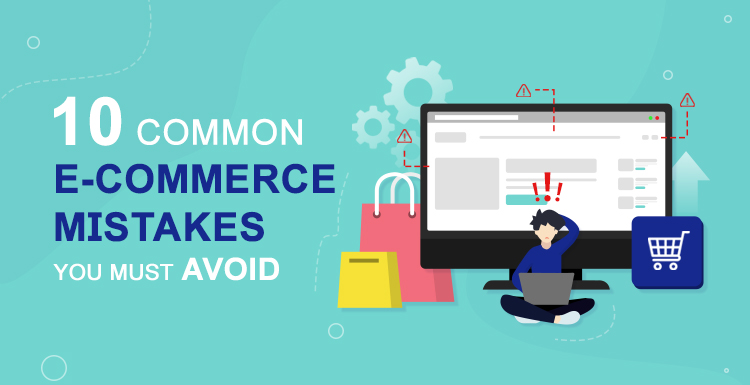
One common mistake is purchasing too much inventory before confirming demand. Large stock commitments can tie up cash and create storage problems if products fail to sell as expected. Another mistake is focusing entirely on product price while overlooking packaging, postage, transaction fees, advertising and returns. These costs can significantly change the economics of an online shop.
It is also important not to overlook the customer experience. Complicated navigation, unclear delivery information, poor product images and slow responses can discourage purchases. Ecommerce business ideas should be assessed as complete business models rather than simply product concepts. The offer, website, fulfilment process, pricing, marketing and customer service all contribute to whether an online venture can operate sustainably.
Choosing the Right Opportunity
The best starting point is usually a practical match between customer demand and your own resources. Someone with design skills might explore digital products or personalised merchandise, while a specialist in a particular hobby could build a focused product shop or subscription service. The model should reflect what you can realistically create, market and support.
Ecommerce business ideas can evolve as you gather real customer feedback. You do not necessarily need a huge catalogue at launch. A focused range can make testing simpler and provide clearer information about which products attract attention. Once a promising product category has demonstrated demand, you can expand carefully, improve the customer experience and develop a stronger brand around the audience you have built.
Conclusion
Ecommerce offers a wide range of opportunities, from low-inventory models such as print-on-demand and dropshipping to digital products, personalised goods, subscription boxes and specialist online shops. The right choice depends on your available resources, capabilities, target market and willingness to manage the practical side of selling online.
Rather than trying to launch with dozens of products, start with a clear customer and a focused proposition. Research demand, calculate the complete cost of selling and test your assumptions before scaling. With careful planning, a small online shop can provide a foundation for developing a more established ecommerce brand.
Frequently Asked Questions
What is the easiest ecommerce business to start?
Digital products and print-on-demand can be relatively simple starting points because they can reduce inventory and fulfilment requirements.
Can I start an ecommerce business from home?
Yes, many online shops can begin from home using models such as digital products, print-on-demand, handmade goods or small product ranges.
Which ecommerce model requires the least inventory?
Digital products require no physical inventory, while print-on-demand and dropshipping can reduce the need to hold stock.
Is dropshipping still suitable for beginners?
Dropshipping can be accessible to beginners, but supplier quality, delivery times, competition and profit margins need careful research.
What products sell well online?
Popular opportunities include personalised goods, sustainable products, lifestyle items, pet products, beauty products and specialist niche products.
Can I sell digital products through ecommerce?
Yes, digital products such as templates, planners, graphics, courses and downloadable resources can be sold online without physical delivery.
How much money do I need to start an ecommerce business?
The required budget varies considerably, with digital and print-on-demand models generally requiring less upfront capital than inventory-heavy businesses.
How can I find a profitable ecommerce niche?
Research customer demand, competitors, pricing, search behaviour and recurring customer problems before choosing a focused niche.
Also Read: dropshipping business uk