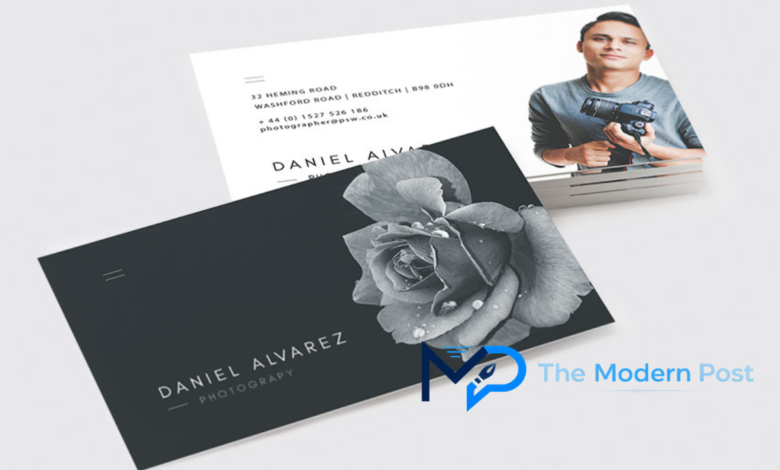
A well-designed business card Photography Business Cards can give a photographer a practical way to introduce their brand, share contact details and stay memorable after a conversation. While websites and social platforms are essential, a physical card can still be useful at weddings, networking events, exhibitions, markets and client meetings. The key is to make the design feel like an extension of your photography style rather than simply another piece of printed marketing.
The best cards combine strong imagery with simple information and a clear visual identity. Whether you photograph weddings, families, pets, wildlife or commercial products, your card should quickly communicate what you do and make it easy for someone to contact you later. From free templates to fully customised designs, there are plenty of ways to create something polished without making the process unnecessarily complicated.
Why Photography Business Cards Still Matter
Photography is a highly visual profession, so your business card offers an opportunity to demonstrate your creative style before a potential client visits your portfolio. A carefully selected image, thoughtful typography and consistent branding can create an immediate impression of the quality and personality behind your work. The card does not need to display your entire portfolio; one strong visual can often communicate more effectively than several competing images.
Photography business cards can also be useful when a potential client is not ready to book immediately. A person might meet you at a wedding venue, business event or local gathering and want to remember your services later. A compact card provides your name and contact information in a format that can be kept, shared or photographed. Adding a website or QR code can also create a straightforward bridge between the printed card and your online portfolio.
What to Put on a Photography Business Card
The most important information should be easy to find at a glance. Usually, this includes your name or studio name, photography speciality, telephone number, email address and website. You can also include a social media handle if it is an active part of your business. If you serve a particular area, mentioning your location or service region can help potential clients immediately understand whether you are relevant to their needs.
Avoid filling every available space simply because it exists. A business card should guide the reader towards the information that matters most. A QR code linking directly to your portfolio, booking page or social profile can reduce the amount of text required. Before printing, check every spelling, phone number, email address and web address carefully. A beautiful design loses its value if a prospective client cannot reach you.
Creative Photography Business Cards Ideas
Photography gives you considerable freedom when developing a visual concept. A minimalist card might use a single striking photograph with restrained typography, while a more expressive design could incorporate bold colours, distinctive shapes or an artistic crop. You can also use the reverse side to feature a carefully selected image, leaving the front focused on essential contact information. The right approach depends on your photography niche and the clients you want to attract.
Photography business cards ideas can also come from the characteristics of your own brand. A luxury wedding photographer may favour an elegant layout and subtle finishing, while a wildlife photographer could use a dramatic natural image. A pet photographer might choose a warm, playful design, whereas a commercial photographer may prefer a clean and structured presentation. The objective is not simply to make the card unusual, but to make its visual language consistent with your actual work.
Photography Business Cards for Different Specialities
Wedding photographers can benefit from designs that feel polished, romantic and refined without becoming overly decorative. A carefully chosen wedding image can communicate emotion while a restrained layout keeps the contact details prominent. For family and portrait photographers, softer imagery and welcoming typography may create a more approachable impression. In each case, the design should support the experience clients can expect from the photographer rather than distract from it.
Pet and wildlife photography offer other creative possibilities because the subject itself can become the strongest visual element. A dramatic animal photograph can make an excellent feature image when the composition remains clear at a small printed size. Similarly, commercial and product photographers may prefer a more sophisticated, uncluttered presentation. Photography business cards work best when the selected imagery demonstrates the photographer’s speciality without requiring a long explanation.
Free Templates and Online Design Tools
Templates can be a useful starting point if you want to create a professional-looking card without designing everything from scratch. Many online design platforms offer editable layouts where you can change photographs, colours, fonts and contact information. This can be particularly useful for photographers who are testing a new visual identity or need a small batch of cards for an upcoming event.
Photography business cards templates can also help you understand how information should be arranged. Instead of concentrating only on decoration, look at the relationship between the logo, photograph, name and contact details. Free options can be suitable for simple projects, but always check the available download quality and printing specifications. If the template feels generic, customise it with your own imagery, brand colours and typography so the finished card feels genuinely yours.
How to Create a Professional Photography Business Card
Start by defining the purpose of the card and the audience you want to reach. Decide which photography service should be immediately visible and select an image that represents that service accurately. Next, establish a simple hierarchy: your name or studio should be noticeable, your speciality should be clear, and contact information should be easy to read. Keeping these elements organised creates a more professional result than attempting to make every detail equally prominent.
When you create photography business cards, pay close attention to the relationship between the printed design and your wider brand. Use colours and fonts that appear on your website, social profiles or promotional materials where appropriate. Before sending the artwork to a printer, inspect it at its actual size rather than relying solely on a large screen preview. Small text, thin lines and low-contrast elements can behave very differently once printed.
Printing and Finishing Options
Paper quality can change the way a design feels in someone’s hand. Matte finishes often provide a smooth, understated appearance and can work well with modern photographic layouts. Gloss finishes can make colours and images appear more vibrant, while heavier card stock can give the piece a more substantial feel. There is no single finish that suits every photographer, so consider your brand personality, budget and typical client experience.
You can find photography business cards from a variety of online printing services, with options ranging from standard rectangular cards to more distinctive formats. Before placing an order, compare paper weight, print quality, finishing options, minimum quantities and delivery costs. It can also be worthwhile ordering a small test batch first. This lets you check colours, image sharpness, text size and overall feel before committing to a larger quantity.
Common Design Mistakes to Avoid
One of the most common problems is trying to showcase too much work on a very small card. Several photographs, multiple fonts and excessive text can quickly make the design difficult to understand. Instead, choose one strong image or a restrained visual treatment and allow enough empty space around the important information. A clean layout can make a card feel more premium while helping the reader find your details quickly.
Another issue is inconsistent branding. If your business card looks completely different from your website and social profiles, prospective clients may struggle to recognise your business across different platforms. Check the quality of your chosen photograph, make sure fonts remain readable and test any QR code before printing. Small practical details matter because the purpose of the card is ultimately to help someone remember your business and contact you.
Conclusion
A successful photography business card balances creativity with practical communication. Strong imagery can showcase your visual identity, but clear typography and accurate contact information ensure the card remains useful after the first impression. Whether you choose a minimalist layout, a bold portfolio-inspired design or a niche-specific concept, the finished piece should feel consistent with your photography and the clients you want to reach.
The best approach is to start with your brand rather than a template. Consider your speciality, audience, preferred visual style and most important contact method before choosing a layout. With thoughtful design, appropriate printing and a carefully selected image, your card can become a small but effective part of your wider marketing strategy.
Frequently Asked Questions
What should be on a photography business card?
Include your name or studio, photography speciality, contact details, website and relevant social media or portfolio information.
How do I make a photography business card?
Choose a suitable template or design, add your branding and contact details, check the artwork carefully, then prepare it for printing.
Are there free photography business card templates?
Yes, several online design platforms provide free editable templates that can be customised with your own images and branding.
What size should a photography business card be?
A standard business card size is a practical choice, although the exact dimensions can vary depending on your printer and design preference.
Should I put a photo on my photography business card?
A strong photograph can showcase your style, but a clean text-led design can also work if it better suits your brand.
Are business cards useful for photographers?
They can be useful for networking, referrals, events and client meetings, particularly when combined with a website or digital portfolio.
What makes a photography business card stand out?
A distinctive image, clear branding, readable information and thoughtful use of layout, typography and finishing can make a card memorable.
Can I create photography business cards online?
Yes, online design and printing services allow photographers to customise templates or upload their own artwork and order printed cards.
Also Read: salon business insurance