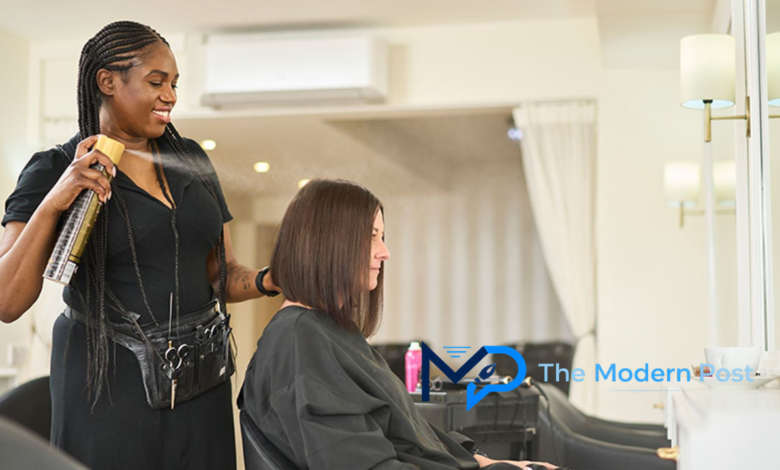
Running a Salon Business Insurance much more than creating great hairstyles, beauty treatments or nail designs. Every day, you work with customers, products, specialist equipment and, in many cases, employees. That creates risks ranging from accidental injuries and damaged property to treatment-related claims. The right insurance can help protect your business against some of the financial consequences of these unexpected events.
The exact cover required depends on how your salon operates, what treatments you provide, whether you employ staff and whether you own or rent your premises. UK government guidance identifies employers’ liability as a legal requirement for businesses with employees, while public liability can protect businesses against claims involving members of the public.
What Is Salon Business Insurance?
Salon business insurance is designed to protect hairdressers, beauty salons, nail businesses, tanning businesses and other personal-care enterprises against selected risks associated with their work. Rather than being one universal policy, it can involve several types of cover combined to reflect the individual needs of a business. The policy might protect against liability claims, damage to equipment, stock losses and interruptions to trading, depending on the cover selected.
It is important to remember that not every salon performs the same services. A hair salon may have different risks from a beauty therapist offering advanced treatments, while a nail technician may require different protection from a tanning salon. Specialist insurers can therefore ask detailed questions about treatments, qualifications, premises and staff before providing a quote. The National Hair & Beauty Federation also stresses that insurance should cover all treatments and services offered.
What Insurance Does a Salon Need?
Public liability insurance is one of the most relevant forms of protection for businesses that regularly interact with customers. It can respond to eligible claims where a member of the public is injured or their property is damaged because of the business. For a salon, potential scenarios could include a customer slipping on a wet floor or suffering an injury connected with salon activities.
Employers’ liability insurance is different because it concerns employees and is generally compulsory when you employ people. GOV.UK states that employers must have at least £5 million of employers’ liability cover from an authorised insurer, subject to the legal exemptions. The rules also require the certificate to be made available to employees.
Other forms of protection can include product liability, contents, buildings and business interruption insurance. Product liability may be relevant when a product supplied by the business causes injury or property damage, while contents cover can help with eligible losses involving salon equipment, stock and fixtures. Business interruption insurance can provide protection against certain losses of income following an insured event that prevents trading.
Salon Business Insurance for Different Types of Salons
Beauty salon business insurance can be particularly important where treatments involve direct contact with customers or products applied to the skin, hair or nails. Public liability, treatment-related protection, equipment cover and contents insurance may all be relevant depending on the services offered. Some insurers specifically provide policies for beauty therapists, manicurists, pedicurists and other specialist practitioners.
Hair salon business insurance can similarly be tailored around the risks of cutting, colouring, styling and other hairdressing services. Equipment such as hairdryers, straighteners and salon furniture can represent a significant investment, while public-facing operations create liability risks. Mobile hairdressers and self-employed professionals may also need to consider whether their policy properly reflects work carried out away from a permanent salon.
Nail salons and tanning salons should pay particular attention to whether every treatment and piece of equipment is specifically included within the policy. Advanced treatments may have additional requirements. The NHBF notes that certain higher-level treatments, including some microneedling, chemical peel, micropigmentation, laser, IPL and injectable services, can require specialist insurance arrangements.
How Much Does Salon Business Insurance Cost?
There is no single price for salon insurance because insurers assess each business according to its circumstances. The services you provide, your location, number of employees and level of cover can all affect the premium. A small self-employed hairdresser working alone is likely to present a different risk profile from a large beauty salon with several employees and multiple treatment rooms.
The value of your equipment, stock and contents can also influence the overall cost where these areas are insured. Choosing additional options such as business interruption, legal expenses or personal accident cover can change the premium too. AXA, for example, identifies services, location and staff numbers among factors that can affect the price of beauty business insurance.
When comparing salon business insurance cost, avoid focusing exclusively on the cheapest premium. A low price may reflect lower limits, higher excesses, narrower treatment cover or important exclusions. The more useful comparison is the level of protection you receive for the price, alongside the policy conditions that determine when a claim can actually be accepted.
How to Compare Salon Business Insurance Quotes
Obtaining several quotes can help you understand the range of prices available, but comparing the headline premium is only the beginning. Check exactly what each quotation includes, including public liability limits, employers’ liability, treatment cover, contents, equipment and business interruption. Also check whether the insurer requires particular qualifications, training records, safety procedures or treatment conditions.
Make sure every service you provide is disclosed accurately. This is particularly important if your salon offers treatments beyond traditional hairdressing or beauty services. The NHBF warns that insurance may not be valid for treatments that the practitioner is not properly qualified to perform.
It is also worth checking the excess, exclusions and policy limits before selecting a policy. Two quotes may look similar at first glance but provide substantially different protection. Reading the policy wording can reveal restrictions concerning particular treatments, premises, equipment, employees, contractors or circumstances in which a claim may arise.
How to Find Suitable Beauty and Hair Salon Insurance
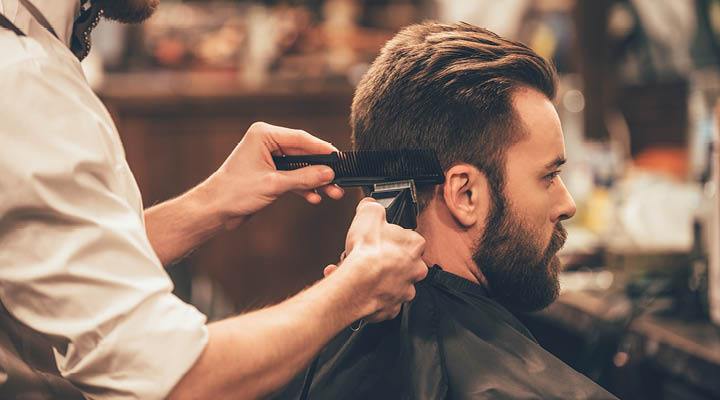
Searching for the best beauty salon business insurance should start with your own risk profile rather than a generic list of providers. Consider what treatments you offer, how many people work for you, whether customers visit your premises, whether you work from home or travel to clients and what equipment or stock you own. This creates a clearer picture of the cover you actually need.
Hair salon owners should similarly consider whether their policy covers the full range of services and equipment used in daily operations. Specialist insurance providers can offer policies designed around the hair and beauty sector, while mainstream business insurers may also provide tailored options. The important point is to compare like-for-like cover rather than assuming that the lowest quotation automatically offers suitable protection.
Your policy should also keep pace with your business. If you move premises, employ additional staff, introduce new treatments or purchase expensive equipment, tell your insurer and check whether the existing policy remains appropriate. A policy that suited a small start-up may not provide the same protection after the salon has expanded.
Common Salon Insurance Mistakes to Avoid
One of the most common mistakes is selecting a policy purely because it appears cheap. The cheapest beauty salon business insurance may not provide the treatment cover, liability limits or property protection your business actually requires. Always examine what is included and excluded before making a decision, especially if your business offers specialist treatments.
Another mistake is failing to update insurance after changing the business. New treatments, additional employees, new equipment or a change of premises can alter the risks involved. Keeping accurate records, following safety procedures and ensuring staff have the necessary training can also support good risk management. Local authority guidance for beauty businesses highlights the importance of safe working methods, training and appropriate insurance arrangements.
You should also avoid assuming that every worker automatically falls into the same category. Employees, contractors, trainees and other workers can have different implications depending on the circumstances and policy wording. Employers’ liability requirements should be checked carefully, particularly when your salon begins using additional workers. GOV.UK states that failing to maintain required employers’ liability insurance can result in significant daily penalties.
Conclusion
Choosing appropriate salon business insurance is about understanding the risks that are specific to your salon rather than simply buying the cheapest policy available. Public liability, employers’ liability, product liability, contents, equipment and business interruption cover can all have a role, depending on how your business operates and what your policy includes.
Before purchasing cover, compare quotes carefully, check policy limits and exclusions, disclose every treatment you provide and make sure your qualifications and working practices meet the insurer’s requirements. Reviewing your insurance whenever the business changes can help ensure that your protection remains aligned with your salon’s needs.
Frequently Asked Questions
What insurance is needed for a salon?
Common options include public liability, employers’ liability where applicable, product liability, contents, equipment, buildings and business interruption cover.
Is salon business insurance legally required in the UK?
General salon insurance is not universally compulsory, but employers’ liability insurance is generally legally required when you employ people.
How much does salon business insurance cost?
The price varies according to factors such as treatments, staff numbers, location, cover levels, equipment and business circumstances.
Does a hair salon need public liability insurance?
Public liability is not generally a legal requirement, but it can protect a salon against eligible claims involving injury or property damage to members of the public.
What does beauty salon insurance usually cover?
Depending on the policy, it can include public liability, employers’ liability, treatment risks, contents, equipment, legal expenses and business interruption.
Do self-employed salon owners need insurance?
Self-employed salon professionals should consider appropriate liability and business cover even when employers’ liability is not applicable because they have no employees.
Does salon insurance cover specialist beauty treatments?
It can, but the treatment must be specifically covered and the practitioner may need appropriate qualifications or additional specialist protection.
How can I compare salon business insurance quotes?
Compare the cover limits, exclusions, excesses, treatment coverage and policy conditions as well as the headline premium.
Also Read: most profitable small business