The Eggborough Power Station was once one of the most important coal-fired power stations in North Yorkshire, playing a vital role in Britain’s electricity network for decades. Situated near the village of Eggborough beside the River Aire, the station became an iconic feature of the local landscape thanks to its towering cooling towers and impressive industrial scale. It supplied power to millions of homes while supporting economic growth across the region.
Although electricity generation ended in 2018, public interest in the site remains strong. Many people continue searching for information about its closure, demolition, redevelopment and historical significance. This guide explores the complete story of Eggborough Power Station, from its construction and operational years to the exciting plans that are transforming the former industrial site into a new centre for energy and business development.
History of Eggborough Power Station
Construction of Eggborough Power Station began during the 1960s as the United Kingdom expanded its electricity infrastructure to meet growing demand from households and industries. The station entered service in stages and quickly became one of the country’s largest coal-fired generating facilities. Its location near major transport routes and coal supplies made it an ideal place for efficient electricity production throughout much of the twentieth century.
Over the years, the station became a major employer within the local community and contributed significantly to Yorkshire’s economy. Engineers regularly upgraded equipment to improve efficiency and reliability while meeting increasingly strict environmental standards. The station’s long operational life reflected its importance to the National Grid, making it one of Britain’s best-known power stations before its eventual closure.
How the Power Station Generated Electricity
Like many large power stations of its era, Eggborough generated electricity by burning coal inside massive boilers. The heat converted water into high-pressure steam, which powered large turbines connected to electrical generators. Once the steam had passed through the turbines, it was cooled and recycled, allowing the process to continue efficiently while producing substantial amounts of electricity every day.
In later years, operators introduced biomass alongside coal to reduce carbon emissions and improve environmental performance. This allowed the station to generate cleaner energy without completely replacing its existing infrastructure. Although coal remained the primary fuel for much of its history, these improvements demonstrated an effort to adapt to changing government policies and growing environmental awareness.
Closure of Eggborough Power Station
The decision to close Eggborough Power Station reflected wider changes taking place throughout Britain’s energy industry. Rising carbon costs, ageing equipment, stricter environmental legislation and increasing competition from renewable energy sources made continued operation commercially challenging. After decades of reliable service, electricity generation officially ended in September 2018, bringing an important chapter in British industrial history to a close.
The closure affected employees, contractors and local businesses that had relied on the station for many years. Families with generations of connections to the site saw an important source of employment disappear. Despite these challenges, the closure also marked the beginning of new opportunities, as developers and investors started exploring ways to transform the large industrial site for future economic growth.
Eggborough Power Station Demolition
Following the closure of the station, demolition work began as part of a carefully planned programme to clear the site for future redevelopment. Large industrial structures, including boiler houses, chimneys and auxiliary buildings, were dismantled in stages to ensure safety and minimise environmental impact. The demolition attracted considerable public attention, with many local residents gathering to watch significant milestones in the site’s transformation.
One of the most memorable moments was the controlled demolition of several cooling towers, which had dominated the Yorkshire skyline for decades. These impressive structures had become a familiar landmark for motorists and nearby communities. By the end of the demolition programme, much of the original power station had disappeared, marking the end of an era while preparing the land for a completely new purpose.
Redevelopment of the Former Site
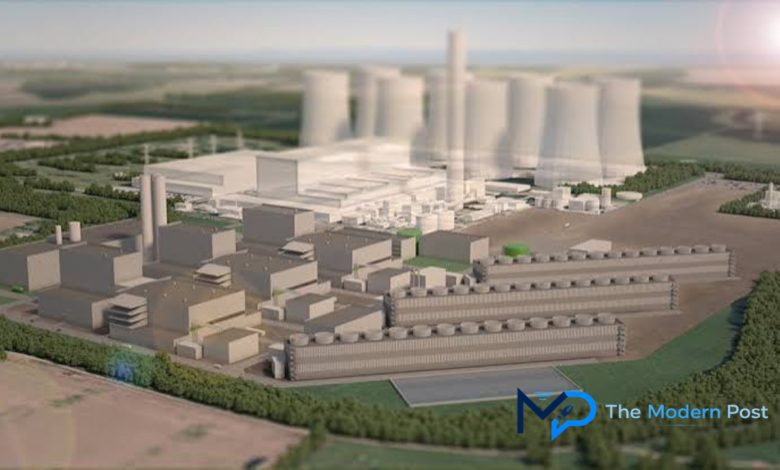
After demolition, attention quickly turned towards the future of the former power station site. Developers recognised the excellent transport links, extensive infrastructure and strategic location, making it an attractive destination for investment. Plans have focused on creating a modern energy and industrial hub capable of supporting economic growth while contributing to the UK’s transition towards cleaner sources of power.
One of the most significant proposals includes the development of a new gas-fired combined cycle power station alongside commercial and industrial facilities. The redevelopment is expected to create employment opportunities during both construction and long-term operation. As planning progresses, the former industrial landscape is being transformed into a site designed to meet modern energy demands and support regional development.
Latest News and Current Status
Interest in the former site continues as redevelopment plans move through planning and investment stages. Local authorities, developers and energy companies have worked together to shape proposals that balance economic benefits with environmental responsibilities. Updates surrounding planning applications, construction schedules and infrastructure improvements remain important to local residents and those following Britain’s evolving energy sector.
Although the original coal-fired station has now disappeared, its legacy continues through the redevelopment project. The site remains one of the largest regeneration opportunities in North Yorkshire, attracting significant attention from businesses and investors. Future developments are expected to support employment, strengthen the regional economy and contribute towards the country’s long-term energy strategy.
Eggborough Power Station Cricket Club and Social Club
The power station was more than simply a place of work, as it also played an important role within the surrounding community. The Eggborough Power Station Cricket Club provided employees and local residents with opportunities to enjoy competitive sport while strengthening friendships beyond the workplace. Matches and social events helped create lasting relationships between workers, their families and neighbouring villages.
The Eggborough Power Station Social Club became another valued part of community life. It hosted celebrations, charity events, meetings and entertainment throughout the year, offering a welcoming venue for staff and local people alike. Although the power station has closed, many former employees continue to remember these clubs as an important part of the site’s history and community spirit.
Environmental Impact and Lasting Legacy
Like many coal-fired generating stations, Eggborough contributed significantly to Britain’s electricity supply while also producing substantial carbon emissions. During its operational years, environmental regulations became increasingly strict, encouraging operators to introduce cleaner technologies and biomass co-firing. These improvements reflected wider efforts across the energy industry to reduce pollution while maintaining reliable electricity generation.
Today, the station represents an important chapter in Britain’s transition from coal towards cleaner energy sources. Its closure symbolised changing national priorities, with greater investment in renewable energy, lower-carbon technologies and improved environmental sustainability. Despite the disappearance of its famous cooling towers, the site’s historical importance continues to be recognised by historians, engineers and local communities.
Interesting Facts About Eggborough Power Station
Few power stations became as recognisable as Eggborough, thanks largely to its enormous cooling towers and riverside location. At its peak, the station generated enough electricity to supply millions of homes across the country. Its distinctive appearance also made it a popular subject for photographers, aviation enthusiasts and industrial historians fascinated by Britain’s engineering achievements.
Even after operations ended, the site remained a popular destination for urban explorers and documentary filmmakers interested in recording its final years before demolition. Historic photographs, aerial footage and online videos continue to preserve the appearance of the station, ensuring future generations can appreciate the scale and engineering excellence that once defined this remarkable industrial landmark.
Conclusion
The story of Eggborough Power Station reflects the changing face of Britain’s energy industry over the past several decades. From its construction during the 1960s to its closure in 2018 and eventual demolition, the station played an essential role in supplying electricity and supporting thousands of workers. Its contribution to Yorkshire’s economy and the National Grid remains an important part of British industrial history.
Although the original structures have now disappeared, the site continues to evolve through ambitious redevelopment plans that promise new investment and employment opportunities. The transformation of the former power station demonstrates how historic industrial locations can be successfully adapted for modern energy needs while preserving the legacy of one of the country’s most recognisable power stations.
Frequently Asked Questions
What was Eggborough Power Station?
Eggborough Power Station was a large coal-fired power station located near the village of Eggborough in North Yorkshire, England. It began operating during the 1960s and supplied electricity to millions of homes and businesses across the UK. The station later introduced biomass co-firing to reduce emissions before permanently closing in September 2018.
Where was Eggborough Power Station located?
The power station was situated near the village of Eggborough, close to Goole in North Yorkshire. It stood beside the River Aire, which provided water for cooling and power generation. Its location also offered excellent transport links for the delivery of coal and other materials.
When did Eggborough Power Station close?
Eggborough Power Station officially stopped generating electricity in September 2018. The closure followed increasing operating costs, stricter environmental regulations and the UK’s move towards cleaner energy sources. After closing, the site entered a phased demolition programme.
Why did Eggborough Power Station close?
The station closed because coal-fired electricity generation became less economical. Rising carbon taxes, ageing equipment, competition from renewable energy and government policies encouraging low-carbon energy all contributed to the decision. These factors made continued operation financially difficult.
When was Eggborough Power Station demolished?
Demolition began after the station closed and continued over several phases. Major structures, including the cooling towers, boiler houses and chimney, were carefully dismantled between 2020 and 2022. The work prepared the site for future redevelopment and new energy projects.
Were the cooling towers demolished in 2022?
Yes. The remaining cooling towers were demolished as part of the final stages of the site’s clearance. Their controlled demolition marked the end of one of Yorkshire’s most recognisable industrial landmarks and attracted widespread public attention.
What is planned for the former power station site?
The former site is being redeveloped into a modern energy and industrial hub. Plans include a new gas-fired combined cycle power station alongside commercial and industrial developments. The project aims to create jobs, attract investment and support the UK’s future energy needs.
Did Eggborough Power Station use biomass?
Yes. During its later years, the station introduced biomass alongside coal to help reduce carbon emissions. Although coal remained its primary fuel source, biomass co-firing formed part of efforts to improve environmental performance before the station closed.
What happened to the Eggborough Power Station Cricket Club?
The Eggborough Power Station Cricket Club was closely linked to the power station and its employees. Following the station’s closure, the club’s connection to the workplace ended, but it remains an important part of local sporting history and community heritage.
What was the Eggborough Power Station Social Club?
The social club was a popular meeting place for employees, their families and local residents. It hosted celebrations, sports events, community gatherings and entertainment throughout the year. It helped create a strong sense of community among those connected with the power station.
Was Eggborough Power Station abandoned?
After electricity generation ended in 2018, the station stood unused for a period before demolition work began. During this time, it became well known among photographers and urban explorers who were interested in documenting historic industrial sites before they disappeared.
Can you visit the former Eggborough Power Station today?
The original power station has been demolished, and the site is now undergoing redevelopment. Public access is restricted because of ongoing construction and safety requirements. Visitors can still view the area from nearby public roads while redevelopment continues.
Also Read: Roosevelt Island New York